

How to test the round ducts produced by a Round Duct Former?
Jun 19, 2025
As a supplier of Round Duct Formers, ensuring the quality of the round ducts produced by our machines is of utmost importance. Testing these ducts is a crucial step in the manufacturing process to guarantee that they meet the required standards and specifications. In this blog post, I will share some effective methods on how to test the round ducts produced by a Round Duct Former.
Visual Inspection
The first and most basic test is a visual inspection. This involves a thorough examination of the round ducts to check for any obvious defects. Look for signs of uneven seams, dents, scratches, or any other visible damage on the surface of the ducts. The diameter of the duct should be consistent throughout its length. Any significant deviations in diameter can lead to improper airflow and reduced efficiency in the ventilation system. A simple measuring tape can be used to check the diameter at multiple points along the duct.
The roundness of the duct is also a key factor. You can use a circular template or a set of calipers to ensure that the cross - section of the duct is a perfect circle. Any ovality in the duct can cause turbulence in the airflow and increase energy consumption. Additionally, check the quality of the joints and connections. They should be well - formed and free from gaps or misalignments.
Pressure Testing
Pressure testing is an essential test to determine the integrity of the round ducts. This test helps to identify any leaks in the ducts, which can significantly affect the performance of the ventilation system. There are two main types of pressure tests: positive pressure testing and negative pressure testing.
In positive pressure testing, the duct is sealed at both ends, and compressed air is introduced into the duct to create a positive pressure inside. A pressure gauge is used to monitor the pressure. If the pressure drops over time, it indicates that there are leaks in the duct. The rate of pressure drop can be used to estimate the size and location of the leaks.
Negative pressure testing, on the other hand, involves creating a vacuum inside the duct. A vacuum pump is used to draw air out of the duct, and the pressure inside the duct is monitored. If the pressure rises over time, it means that air is leaking into the duct. This type of testing is particularly useful for detecting small leaks that may not be easily detectable with positive pressure testing.
Airflow Testing
Airflow testing is crucial to ensure that the round ducts can deliver the required amount of air at the desired velocity. An anemometer is commonly used to measure the airflow velocity at different points inside the duct. By measuring the cross - sectional area of the duct and the airflow velocity, the volumetric airflow rate can be calculated.
The airflow should be evenly distributed throughout the duct. Uneven airflow can be caused by factors such as improper duct design, blockages, or leaks. To check for even airflow distribution, you can use a series of anemometers placed at regular intervals along the duct. Any significant variations in airflow velocity may indicate a problem that needs to be addressed.
Material Testing
The quality of the material used to make the round ducts can also affect their performance. Material testing can be used to ensure that the ducts are made from the right type of material and that the material meets the required standards.

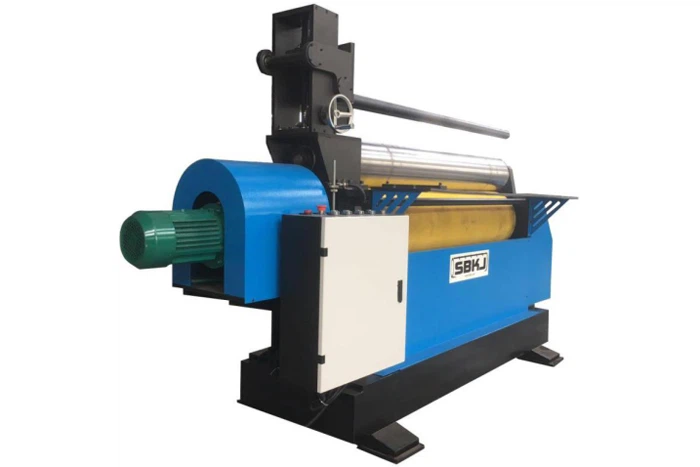
One common material test is the thickness measurement. The thickness of the duct wall should be consistent and within the specified range. A micrometer can be used to measure the thickness at different points on the duct. Additionally, the material's strength and durability can be tested through tensile strength tests and impact resistance tests. These tests can help to determine if the ducts can withstand the normal operating conditions and any potential external forces.
Noise Testing
Noise can be a significant issue in ventilation systems. Round ducts that produce excessive noise can be a nuisance and may also indicate problems with the airflow or the duct design. Noise testing involves measuring the sound level inside and around the ducts using a sound level meter.
The noise level should be within the acceptable limits specified by relevant standards. High - frequency noise can be caused by factors such as turbulence in the airflow, vibrations in the duct, or loose components. By identifying the source of the noise, appropriate measures can be taken to reduce it, such as adding insulation or improving the duct design.
Testing Equipment and Tools
To perform these tests effectively, it is essential to use the right equipment and tools. Some of the commonly used testing equipment includes pressure gauges, anemometers, sound level meters, micrometers, and calipers. These tools should be calibrated regularly to ensure accurate measurements.
For more advanced testing, specialized equipment such as flow hoods and duct leakage testers can be used. Flow hoods are used to measure the total airflow into or out of a duct system, while duct leakage testers are designed specifically for detecting and quantifying leaks in ducts.
Importance of Testing
Testing the round ducts produced by a Round Duct Former is not only important for ensuring the quality of the products but also for meeting the requirements of the customers and relevant regulations. High - quality ducts can improve the efficiency of the ventilation system, reduce energy consumption, and enhance the comfort and safety of the occupants.
By providing high - quality round ducts, we, as a Round Duct Former supplier, can build a good reputation in the market and gain the trust of our customers. Regular testing also allows us to identify and address any potential problems in the manufacturing process, which can help to improve the overall production efficiency and reduce costs.
Conclusion
Testing the round ducts produced by a Round Duct Former is a comprehensive process that involves multiple aspects, including visual inspection, pressure testing, airflow testing, material testing, noise testing, and more. By using the right testing methods and equipment, we can ensure that the round ducts meet the required standards and specifications.
If you are interested in our Round Duct Formers or have any questions about the testing process of round ducts, please feel free to contact us for more information and to discuss potential procurement opportunities. We are committed to providing high - quality products and excellent service to our customers.
References
- ASHRAE Handbook of Fundamentals.
- National Fire Protection Association (NFPA) Standards for Ventilation Systems.
- ISO Standards for Ductwork and Ventilation Components.