

What is the cutting angle of a cutting machine?
Oct 20, 2025
As a trusted supplier of cutting machines, I've witnessed firsthand the pivotal role that the cutting angle plays in achieving precise and efficient cuts. In this blog, I'll delve into the concept of the cutting angle, its significance, and how it impacts the performance of different cutting machines.
Understanding the Cutting Angle
The cutting angle, in the context of cutting machines, refers to the angle at which the cutting tool meets the workpiece. This angle is a critical parameter that influences various aspects of the cutting process, including the quality of the cut, the tool's lifespan, and the overall efficiency of the operation.
For instance, in a plasma cutting machine, the cutting angle can affect the kerf width (the width of the cut). A well - optimized cutting angle can result in a narrow and consistent kerf, which is essential for achieving high - precision cuts. Similarly, in a laser cutting machine, the cutting angle can impact the heat - affected zone (HAZ) around the cut. A proper cutting angle helps to minimize the HAZ, reducing the risk of material distortion and preserving the integrity of the workpiece.
Factors Affecting the Cutting Angle
Several factors come into play when determining the appropriate cutting angle for a specific application.
- Material Type: Different materials have distinct properties, such as hardness, toughness, and thermal conductivity. Harder materials may require a steeper cutting angle to penetrate effectively, while softer materials can often be cut with a shallower angle. For example, when cutting stainless steel, a more aggressive cutting angle might be needed compared to cutting aluminum due to the higher hardness of stainless steel.
- Cutting Tool Geometry: The shape and design of the cutting tool also influence the cutting angle. Tools with a sharp edge may require a different cutting angle than those with a more rounded or beveled edge. Additionally, the rake angle (the angle between the face of the cutting tool and a perpendicular line to the workpiece surface) and the clearance angle (the angle between the flank of the cutting tool and the workpiece surface) are important components of the overall cutting angle geometry.
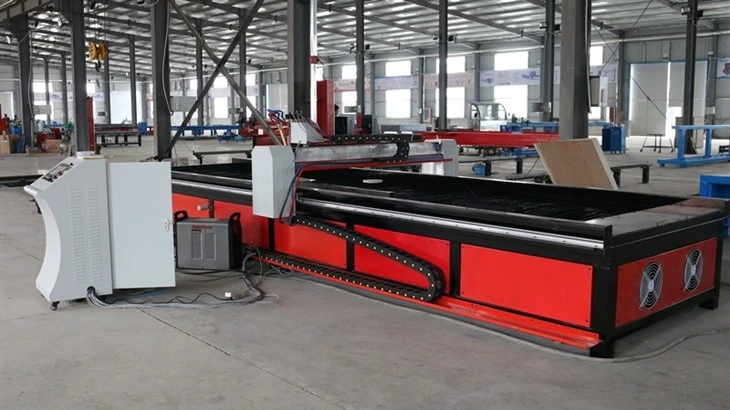
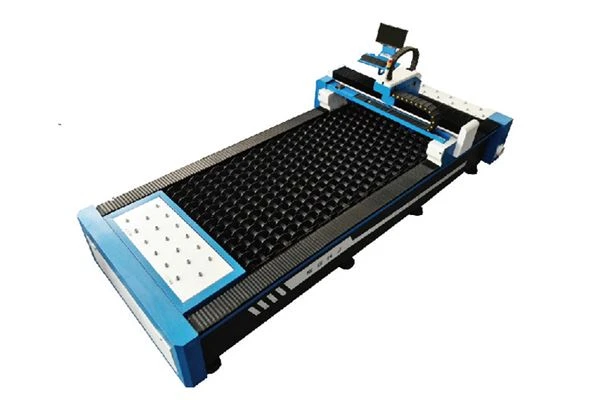
- Cutting Machine Type: Each type of cutting machine has its own characteristics and capabilities, which in turn affect the optimal cutting angle. For example, a AutomaticSquare Tube Pipe Plasma Cutting Cutter Machine is designed for cutting square tubes and pipes, and its cutting angle may need to be adjusted based on the thickness and diameter of the tube. On the other hand, a Size Metal CNC Fiber Laser Cutting Machine uses a high - energy laser beam to cut through metal sheets, and the cutting angle is optimized to ensure efficient energy transfer and precise cutting.
Importance of the Correct Cutting Angle
Using the correct cutting angle offers numerous benefits in the cutting process.
- Improved Cut Quality: A proper cutting angle ensures a clean, smooth cut with minimal burrs and rough edges. This is particularly important in applications where the finished product requires a high level of surface finish, such as in the manufacturing of precision parts or decorative items.
- Extended Tool Life: When the cutting angle is optimized, the cutting tool experiences less wear and tear. This reduces the frequency of tool replacement, saving both time and money. For example, in a Metal Sheet And Tube Portable Cnc Plasma Cutting Machine, using the right cutting angle can significantly extend the life of the plasma torch.
- Enhanced Efficiency: The correct cutting angle allows for faster cutting speeds and reduced cutting forces. This leads to increased productivity and lower energy consumption. In mass - production environments, these efficiency gains can have a substantial impact on the bottom line.
Adjusting the Cutting Angle
Most modern cutting machines are equipped with features that allow for easy adjustment of the cutting angle. This can be done manually or through computer - controlled systems, depending on the machine's design.
In manual machines, operators use mechanical adjustments, such as changing the position of the cutting head or adjusting the angle of the tool holder. In CNC (Computer Numerical Control) machines, the cutting angle can be programmed precisely, ensuring consistent and accurate cuts across multiple workpieces.
Case Studies
Let's take a look at a couple of real - world examples to illustrate the importance of the cutting angle.
Case 1: Automotive Manufacturing
In the automotive industry, precision is crucial. A manufacturer was using a laser cutting machine to cut steel components for car bodies. Initially, they were experiencing issues with rough edges and inconsistent cut widths. After analyzing the cutting process, it was discovered that the cutting angle was not optimized for the specific grade of steel being used. By adjusting the cutting angle based on the material properties and the machine's capabilities, the manufacturer was able to achieve a significant improvement in cut quality. This led to fewer rejects and a more efficient production process.
Case 2: Furniture Production
A furniture manufacturer was using a plasma cutting machine to cut aluminum tubes for chair frames. They noticed that the cutting tool was wearing out quickly, resulting in increased production costs. After consulting with our technical team, they realized that the cutting angle was too steep for the relatively soft aluminum material. By reducing the cutting angle, the tool life was extended, and the quality of the cuts improved. This allowed the manufacturer to produce high - quality furniture at a lower cost.
Conclusion
The cutting angle is a fundamental aspect of the cutting process that can have a profound impact on the quality, efficiency, and cost - effectiveness of cutting operations. As a cutting machine supplier, we understand the importance of providing our customers with the knowledge and tools to optimize their cutting processes.
Whether you're in the automotive, furniture, or any other industry that requires precise cutting, choosing the right cutting machine and setting the appropriate cutting angle is essential. If you're interested in learning more about our cutting machines or need assistance in determining the optimal cutting angle for your specific application, we invite you to contact us for a detailed consultation. Our team of experts is ready to help you achieve the best results with your cutting operations.
References
- ASM Handbook, Volume 16: Machining, ASM International
- "Cutting Tool Technology" by Stephenson and Agapiou
- "Manufacturing Engineering and Technology" by Serope Kalpakjian and Steven Schmid