

What is the vibration level of a Grooving Machine?
Jun 09, 2025
As a reputable supplier of grooving machines, I've had the privilege of witnessing the diverse applications and performance characteristics of these remarkable pieces of equipment. One crucial aspect that often comes under scrutiny is the vibration level of a grooving machine. Understanding this parameter is essential for ensuring optimal performance, operator safety, and the quality of the end product. In this blog post, I'll delve into the intricacies of grooving machine vibration levels, exploring what they mean, how they're measured, and why they matter.
What is Vibration in a Grooving Machine?
Vibration in a grooving machine refers to the mechanical oscillations that occur during its operation. These oscillations can be caused by various factors, including the rotation of the cutting tools, the movement of the workpiece, and the interaction between different components of the machine. While some level of vibration is inevitable in any mechanical system, excessive vibration can lead to a range of problems, such as reduced cutting accuracy, increased tool wear, and even damage to the machine itself.
Measuring Vibration Levels
To quantify the vibration levels of a grooving machine, we use specialized instruments called vibration sensors. These sensors are typically mounted on the machine's frame or other critical components and measure the amplitude, frequency, and direction of the vibrations. The most common unit of measurement for vibration is the acceleration, which is expressed in meters per second squared (m/s²).

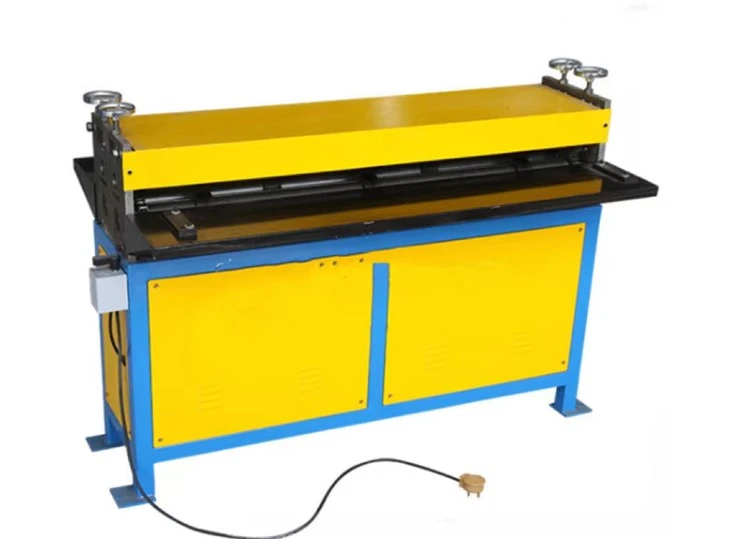
There are several standards and guidelines that specify the acceptable vibration levels for different types of machinery, including grooving machines. For example, the International Organization for Standardization (ISO) has developed a series of standards (ISO 10816) that provide guidelines for the evaluation of machine vibration. These standards take into account factors such as the type of machine, its size, and its operating conditions to determine the acceptable vibration limits.
Factors Affecting Vibration Levels
Several factors can influence the vibration levels of a grooving machine. Understanding these factors can help us identify potential sources of vibration and take appropriate measures to reduce them. Here are some of the key factors:
- Machine Design and Construction: The design and construction of the grooving machine play a significant role in determining its vibration characteristics. Machines that are well-designed and built with high-quality components tend to have lower vibration levels. For example, a machine with a rigid frame and well-balanced rotating components will be less prone to vibration than one with a flimsy frame or unbalanced parts.
- Cutting Parameters: The cutting parameters, such as the cutting speed, feed rate, and depth of cut, can also affect the vibration levels of a grooving machine. Using inappropriate cutting parameters can cause excessive forces on the cutting tools and the workpiece, leading to increased vibration. For example, a high cutting speed or a large depth of cut can generate more heat and friction, which can cause the cutting tools to vibrate.
- Workpiece Material and Condition: The material and condition of the workpiece can also have an impact on the vibration levels of a grooving machine. Harder materials, such as stainless steel or titanium, require more force to cut, which can lead to increased vibration. Additionally, workpieces that are uneven or have surface defects can cause the cutting tools to chatter, resulting in higher vibration levels.
- Tool Condition: The condition of the cutting tools is another important factor that affects the vibration levels of a grooving machine. Worn or damaged cutting tools can cause uneven cutting forces, which can lead to increased vibration. Regular tool maintenance and replacement are essential for ensuring optimal cutting performance and reducing vibration levels.
The Importance of Controlling Vibration Levels
Controlling the vibration levels of a grooving machine is crucial for several reasons:
- Improved Cutting Accuracy: Excessive vibration can cause the cutting tools to deviate from their intended path, resulting in inaccurate cuts. By reducing vibration levels, we can improve the cutting accuracy of the machine, ensuring that the grooves are cut to the desired specifications.
- Increased Tool Life: Vibration can cause the cutting tools to wear out more quickly, reducing their lifespan. By minimizing vibration, we can extend the tool life, reducing the frequency of tool replacements and saving on tooling costs.
- Enhanced Operator Safety: High vibration levels can be a safety hazard for operators. Prolonged exposure to vibration can cause hand-arm vibration syndrome (HAVS) or whole-body vibration (WBV), which can lead to a range of health problems, including numbness, tingling, and muscle weakness. By controlling vibration levels, we can create a safer working environment for operators.
- Reduced Machine Wear and Tear: Excessive vibration can cause damage to the machine's components, such as the bearings, gears, and belts. By reducing vibration levels, we can minimize the wear and tear on the machine, extending its lifespan and reducing maintenance costs.
Our Grooving Machine Offerings
At our company, we offer a wide range of grooving machines that are designed to meet the diverse needs of our customers. Our machines are built with high-quality components and advanced technology to ensure optimal performance and reliability. Here are some of our popular grooving machine models:
- Electric Leveling Grooving Beading Machine: This machine is suitable for grooving and beading rectangular ducts. It features an electric leveling system that ensures accurate and consistent grooves.
- Air Duct Seven Five Line Groove Beading Machine: This machine is designed for the production of air ducts. It can perform multiple operations, including grooving, beading, and flanging, in a single pass.
- Galvanized Sheet Plate Square Duct Electric Beading Roller Machine: This machine is ideal for processing galvanized sheet plates. It uses an electric beading roller to create precise and uniform beads on the ducts.
All of our grooving machines are engineered to have low vibration levels, ensuring smooth and stable operation. We also provide comprehensive after-sales support, including installation, training, and maintenance services, to ensure that our customers get the most out of their machines.
Contact Us for Procurement and Consultation
If you're in the market for a high-quality grooving machine or have any questions about vibration levels or other technical aspects, we'd be happy to assist you. Our team of experts has extensive experience in the industry and can provide you with professional advice and solutions tailored to your specific needs.
Whether you're a small business looking for a compact and affordable grooving machine or a large-scale manufacturer in need of a high-capacity production line, we have the right solution for you. Contact us today to discuss your requirements and explore how our grooving machines can help you improve your productivity and quality.
References
- ISO 10816: Mechanical vibration - Evaluation of machine vibration by measurements on non-rotating parts.
- Machinery Vibration Analysis Handbook, by Thomas R. Brown.
- Vibration Analysis for Rotating Machinery: Practical Solutions, by Michael P. Todd.