

Can a Round Duct Machine produce ducts with insulation?
Dec 24, 2025
Hey there, folks! I'm a supplier of Round Duct Machines, and today I wanna chat with you about whether a round duct machine can produce ducts with insulation.
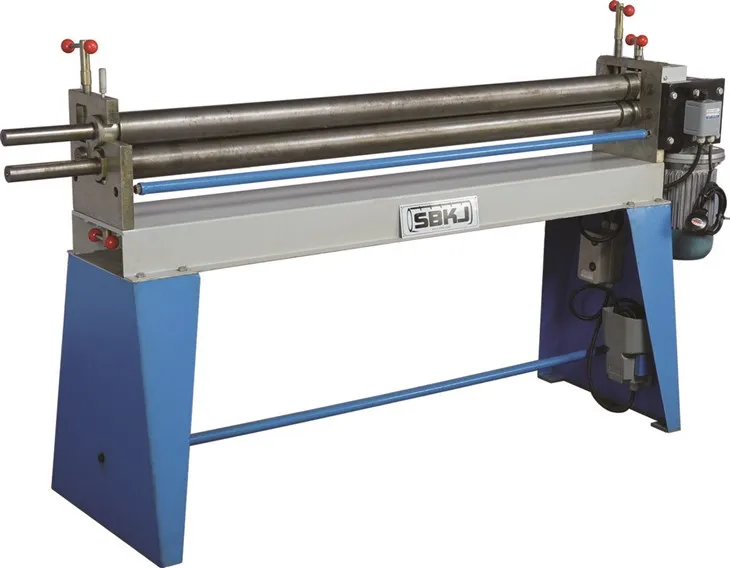
First off, let's get an understanding of what a round duct machine is. A round duct machine is a nifty piece of equipment that's used to fabricate round ducts. These ducts are commonly used in ventilation systems, HVAC (Heating, Ventilation, and Air Conditioning) setups, and a whole bunch of industrial applications. There are different types of round duct machines out there, like the Electrical-Driven Bending Machine which is great for bending the metal sheets to form the round shape, the Manual Asymmetrical Plate Steel Metal Rolling Machine that allows for manual control over the rolling process, and the Round Duct Slip Roll Machine Electric 3 Rolls Plate Rolling Machine which uses electric power and three rolls for efficient plate rolling.
Now, the big question: Can it produce ducts with insulation? The short answer is yes, but there are some things to consider.
How Round Duct Machines Can Work with Insulation
Round duct machines are mainly designed to shape the metal part of the duct. They take flat metal sheets and transform them into round tubes. But when it comes to insulation, there are a couple of ways to incorporate it.
One common method is to add insulation after the duct is formed. Once the round duct machine has done its magic and created the metal duct, insulation can be wrapped around the outside. There are various types of insulation materials available, such as fiberglass, foam, and mineral wool. These materials help to reduce heat loss or gain, as well as minimize noise transmission.

For example, if you're using a round duct in an HVAC system, insulation can prevent the cool air from getting warm before it reaches the intended space, or vice versa. This not only makes the system more efficient but also helps to save on energy costs.
Another way is to use pre-insulated metal sheets. Some manufacturers produce metal sheets that already have insulation attached to them. When you use these sheets in a round duct machine, you can directly form ducts that come with insulation built - in. This can save time and labor, as you don't have to do the insulation step separately.
Advantages of Producing Ducts with Insulation Using Round Duct Machines
Energy Efficiency
As I mentioned earlier, insulated ducts can significantly improve energy efficiency. When the air flowing through the ducts doesn't lose or gain much heat, the HVAC system doesn't have to work as hard to maintain the desired temperature. This means lower energy bills for the end - user.
Noise Reduction
Insulation also acts as a sound absorber. The air moving through the ducts can create a lot of noise, especially in high - velocity systems. Insulated ducts can quiet down this noise, providing a more comfortable environment in buildings, whether it's an office, a hospital, or a residential home.
Condensation Prevention
In some cases, uninsulated ducts can develop condensation when there's a significant temperature difference between the air inside the duct and the surrounding environment. Condensation can lead to water damage, mold growth, and corrosion of the ductwork. Insulation helps to prevent this by maintaining a more consistent temperature on the surface of the duct.
Challenges and Considerations
Material Compatibility
When using pre - insulated sheets, it's important to make sure that the insulation material can withstand the forming process in the round duct machine. Some insulation might get damaged or compressed during bending and rolling, which could reduce its effectiveness.
Machine Adjustments
For round duct machines to work with pre - insulated sheets, some adjustments might be needed. The machine has to be able to handle the thickness and flexibility of the combined metal and insulation material. This might involve changing the rollers, adjusting the pressure settings, or even modifying the feed rate.
Quality Control
Producing ducts with insulation requires extra attention to quality control. You need to make sure that the insulation is evenly distributed, properly attached, and that there are no gaps or tears. Any flaws in the insulation can compromise its performance and lead to energy losses or other problems.
Our Role as a Round Duct Machine Supplier
As a supplier of round duct machines, we understand the importance of helping our customers produce high - quality insulated ducts. We can provide guidance on the best machines for working with different types of insulation materials. Our Electrical-Driven Bending Machine is capable of precise bending, which is crucial when working with pre - insulated sheets. The Manual Asymmetrical Plate Steel Metal Rolling Machine gives users more control over the rolling process, allowing for adjustments based on the specific insulation material. And the Round Duct Slip Roll Machine Electric 3 Rolls Plate Rolling Machine offers a reliable and efficient way to roll the metal and insulation together.
We also offer training and support to our customers. We can teach them how to adjust the machines for different insulation applications, and how to perform quality control checks. Our goal is to make sure that our customers can produce top - notch insulated ducts that meet the highest industry standards.
If you're in the market for a round duct machine to produce ducts with insulation, we'd love to talk to you. Whether you're a small - scale contractor or a large industrial manufacturer, we have the right machine for your needs.
So, if you've got any questions or want to discuss your specific requirements, don't hesitate to reach out. You can start the conversation by initiating a chat on our website or filling out a contact form. We're here to help you make the best decision for your duct - making operations.
References
- HVAC Handbook: A Comprehensive Guide to Heating, Ventilation, and Air Conditioning Systems.
- Metal Duct Fabrication and Installation Standards.
- Insulation Materials and Their Applications in Ductwork.