

How does HVAC machinery impact indoor air quality?
Sep 15, 2025
How does HVAC machinery impact indoor air quality?
As a supplier of HVAC machinery, I've witnessed firsthand how these systems play a pivotal role in shaping the quality of indoor air. Indoor air quality (IAQ) is a critical factor that affects the health, comfort, and productivity of building occupants. In this blog, I'll delve into the various ways HVAC machinery impacts IAQ, exploring both the positive contributions and potential challenges.
Positive Impacts of HVAC Machinery on Indoor Air Quality
Temperature and Humidity Control
One of the primary functions of HVAC systems is to regulate temperature and humidity levels within a building. Maintaining optimal temperature and humidity is crucial for preventing the growth of mold, mildew, and bacteria, which can thrive in warm, damp environments. By keeping the indoor environment within a comfortable range (typically between 68°F - 72°F and 30% - 50% relative humidity), HVAC systems create an inhospitable environment for these contaminants, reducing the risk of respiratory problems and allergies.
For example, in a commercial office building, a well-functioning HVAC system ensures that employees work in a comfortable environment, free from the discomfort of excessive heat or humidity. This not only improves productivity but also contributes to better overall health.
Ventilation and Air Exchange
Proper ventilation is essential for removing stale air, odors, and pollutants from indoor spaces. HVAC systems are equipped with ventilation mechanisms that bring in fresh outdoor air and expel indoor air. This continuous air exchange helps dilute the concentration of indoor pollutants, such as volatile organic compounds (VOCs) emitted from paints, cleaning products, and furniture, as well as carbon dioxide exhaled by occupants.
In a residential setting, a ventilation system can significantly improve IAQ by reducing the buildup of moisture and pollutants. For instance, in a kitchen, a range hood connected to the HVAC system can remove cooking fumes, grease, and odors, preventing them from circulating throughout the house.
Air Filtration
HVAC systems are often equipped with air filters that capture and remove particulate matter from the air. These filters can trap dust, pollen, pet dander, and other allergens, improving the air quality for occupants. High-efficiency particulate air (HEPA) filters are particularly effective at removing small particles, down to 0.3 microns in size, and are commonly used in healthcare facilities, laboratories, and homes of allergy sufferers.
By regularly replacing or cleaning air filters, HVAC systems can maintain their effectiveness in removing pollutants. For example, in a school, a properly maintained air filtration system can help protect students and staff from airborne illnesses by reducing the spread of viruses and bacteria.
Potential Challenges and Negative Impacts
Contaminant Buildup in HVAC Systems
Over time, HVAC systems can accumulate dust, dirt, and biological contaminants, such as mold and bacteria, within their components. This buildup can occur in ducts, coils, and air handlers, and if not properly cleaned, can become a source of indoor air pollution. For example, mold growth in ductwork can release spores into the air, which can cause respiratory problems and allergic reactions in occupants.
Regular maintenance and cleaning of HVAC systems are essential to prevent contaminant buildup. This includes inspecting and cleaning ducts, coils, and filters, as well as checking for leaks and proper airflow.
Inadequate Ventilation
In some cases, HVAC systems may not provide sufficient ventilation, leading to poor IAQ. This can occur due to improper system design, undersized ventilation equipment, or blocked air vents. Insufficient ventilation can result in the buildup of pollutants, such as carbon monoxide, formaldehyde, and radon, which can have serious health effects.
For example, in an older building with an outdated HVAC system, occupants may experience symptoms such as headaches, dizziness, and fatigue due to poor ventilation. Upgrading the ventilation system or installing additional ventilation equipment may be necessary to improve IAQ.
Noise and Vibration
HVAC machinery can generate noise and vibration, which can be a nuisance for building occupants. Excessive noise can interfere with communication, concentration, and sleep, and can also contribute to stress and annoyance. In addition, vibration from HVAC equipment can cause structural damage over time if not properly isolated.
To minimize the impact of noise and vibration, HVAC systems should be installed with proper insulation and vibration isolation materials. Regular maintenance and tuning of equipment can also help reduce noise levels.
The Role of Advanced HVAC Machinery in Improving IAQ
As technology advances, HVAC machinery is becoming more sophisticated and efficient in improving IAQ. For example, some modern HVAC systems are equipped with advanced sensors and controls that can automatically adjust temperature, humidity, and ventilation based on real-time indoor air quality measurements. These systems can also detect and alert building managers to potential issues, such as high levels of pollutants or equipment malfunctions.
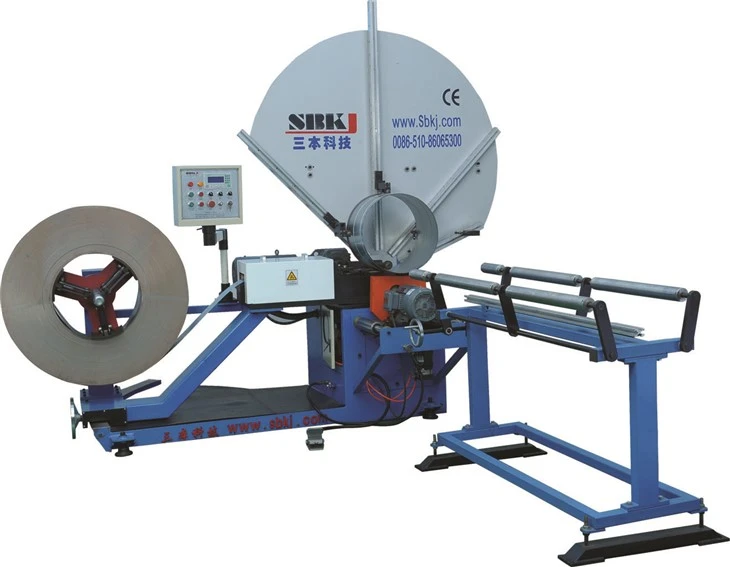
In addition, there are a variety of specialized HVAC equipment available that can further enhance IAQ. For example, Aluminum Duct Forming Machine can produce high-quality ducts that are more resistant to corrosion and leakage, reducing the risk of contaminant buildup. Sheet Metal Oval Hvac Duct Processing Machine can create oval-shaped ducts that are more efficient in air distribution, improving ventilation and airflow. And Spiro Round Auto Duct Making Machines Production Line Steel Pipe Spiral Duct Machine can produce spiral ducts that are stronger and more airtight, reducing energy loss and improving IAQ.

Conclusion
HVAC machinery has a significant impact on indoor air quality, both positive and negative. By providing temperature and humidity control, ventilation, and air filtration, HVAC systems can create a healthy and comfortable indoor environment. However, it's important to be aware of the potential challenges and negative impacts, such as contaminant buildup, inadequate ventilation, and noise and vibration, and to take appropriate measures to address them.
As a supplier of HVAC machinery, we are committed to providing high-quality products and services that help improve IAQ. Our advanced HVAC equipment, such as the Aluminum Duct Forming Machine, Sheet Metal Oval Hvac Duct Processing Machine, and Spiro Round Auto Duct Making Machines Production Line Steel Pipe Spiral Duct Machine, is designed to meet the highest standards of performance and efficiency.
If you're interested in learning more about how our HVAC machinery can improve the indoor air quality of your building, or if you have any questions or concerns, please don't hesitate to contact us. We'd be happy to discuss your specific needs and provide you with a customized solution.
References
- American Society of Heating, Refrigerating and Air-Conditioning Engineers (ASHRAE). (2019). ASHRAE Standard 62.1-2019: Ventilation for Acceptable Indoor Air Quality.
- Environmental Protection Agency (EPA). (2021). Indoor Air Quality. Retrieved from https://www.epa.gov/indoor-air-quality-iaq
- World Health Organization (WHO). (2018). Guidelines for Indoor Air Quality: Dampness and Mould.