

How to improve the reliability of a Spotwelder?
Sep 29, 2025
As a seasoned spotwelder supplier, I understand the critical importance of reliability in the welding industry. A reliable spotwelder not only ensures consistent and high - quality welds but also minimizes downtime, which can significantly impact productivity and profitability. In this blog, I'll share some effective strategies to improve the reliability of a spotwelder.
1. Regular Maintenance
Regular maintenance is the cornerstone of a reliable spotwelder. Just like any other piece of machinery, a spotwelder requires routine checks and upkeep to function optimally.
- Electrode Maintenance: The electrodes are one of the most crucial components of a spotwelder. Over time, they can wear down due to the high - temperature and high - pressure conditions during the welding process. Regularly inspect the electrodes for signs of wear, such as pitting or deformation. Replace them when they reach the end of their service life. This will ensure consistent welding quality and prevent issues like inconsistent weld strength or excessive spatter.
- Cooling System Check: Most spotwelders rely on a cooling system to prevent overheating. Check the coolant level regularly and ensure that the cooling pipes are free from blockages. A malfunctioning cooling system can lead to overheating of the welder, which can damage internal components and reduce the lifespan of the machine.
- Electrical Connections: Loose or corroded electrical connections can cause power fluctuations and reduce the efficiency of the spotwelder. Inspect all electrical connections, including cables, terminals, and circuit boards, on a regular basis. Tighten any loose connections and clean or replace corroded parts.
2. Quality Components
Using high - quality components is essential for improving the reliability of a spotwelder. Inferior components may be cheaper initially, but they are more likely to fail, leading to increased downtime and repair costs.
- Transformer: The transformer is responsible for converting the input voltage to the appropriate welding voltage. A high - quality transformer will have better efficiency and durability. Look for transformers made from high - grade materials and with proper insulation to prevent electrical failures.
- Control System: The control system of a spotwelder regulates the welding parameters such as current, time, and pressure. A reliable control system ensures accurate and consistent welding. Choose a control system with advanced features and a proven track record of reliability. It should be easy to program and adjust, and have built - in safety features to protect the operator and the machine.
- Welding Cables: Welding cables carry the high - current electricity from the welder to the electrodes. Low - quality cables can have high resistance, which can lead to power losses and overheating. Invest in high - quality welding cables with proper insulation and sufficient cross - sectional area to handle the welding current.
3. Operator Training
Well - trained operators play a vital role in the reliability of a spotwelder. An operator who understands the machine's operation and maintenance requirements can prevent many common problems.
- Proper Operation: Train operators on the correct operating procedures of the spotwelder. This includes setting the appropriate welding parameters based on the material and thickness of the workpieces, loading and unloading the workpieces safely, and using the machine within its rated capacity. Incorrect operation can lead to poor weld quality, damage to the machine, and safety hazards.
- Maintenance Awareness: Educate operators about the importance of regular maintenance and the basic maintenance tasks they can perform. For example, they should be able to clean the electrodes, check the coolant level, and report any abnormal noises or vibrations to the maintenance team. By involving operators in the maintenance process, you can detect and address potential problems early.
4. Environmental Considerations
The environment in which the spotwelder operates can have a significant impact on its reliability.
- Temperature and Humidity: Extreme temperatures and high humidity can affect the performance of the spotwelder. High temperatures can cause overheating, while high humidity can lead to corrosion of internal components. Ensure that the spotwelder is installed in an environment with a stable temperature and humidity level. If necessary, use air - conditioning or dehumidifiers to control the environment.
- Dust and Debris: Dust and debris can accumulate inside the spotwelder, causing blockages and electrical shorts. Keep the work area clean and use dust collectors to remove any welding fumes and debris. Regularly clean the exterior and interior of the spotwelder to prevent the build - up of dust.
5. Upgrades and Technology Integration
As technology advances, upgrading your spotwelder can improve its reliability and performance.
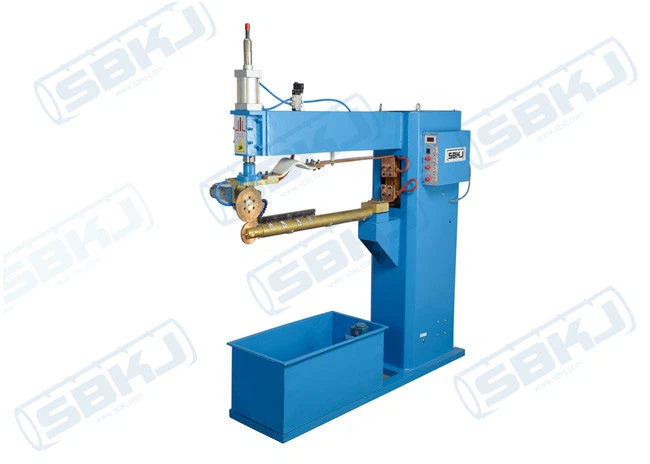

- Software Upgrades: Many modern spotwelders come with software - controlled systems. Software upgrades can enhance the functionality of the welder, improve welding accuracy, and add new features. Check with the manufacturer regularly for available software upgrades and install them as recommended.
- Automation: Automation can improve the reliability of spot welding by reducing human error. Consider upgrading to an Automatic Stitch Welder or integrating automation features into your existing spotwelder. Automation can ensure consistent welding parameters and reduce the variability in weld quality.
6. Monitoring and Predictive Maintenance
Implementing a monitoring system can help you detect potential problems before they cause a breakdown.
- Sensor Technology: Install sensors on the spotwelder to monitor various parameters such as temperature, current, and vibration. These sensors can provide real - time data about the performance of the machine. Analyze this data to identify any trends or anomalies that may indicate a potential problem.
- Predictive Maintenance: Based on the data collected from the sensors, develop a predictive maintenance plan. Predictive maintenance allows you to schedule maintenance tasks at the optimal time, reducing downtime and extending the lifespan of the spotwelder. For example, if the temperature sensor indicates that the welder is running hotter than normal, you can schedule a maintenance check to identify and fix the problem before it causes a major failure.
7. Supplier Support
As a spotwelder supplier, we offer comprehensive support to ensure the reliability of our products.
- Technical Support: Our team of experienced technicians is available to provide technical support. Whether you have questions about installation, operation, or maintenance, we can offer prompt and accurate solutions.
- Spare Parts Availability: We maintain a large inventory of spare parts to ensure quick replacement in case of a breakdown. This minimizes downtime and allows you to get your spotwelder back in operation as soon as possible.
- Training Programs: We offer training programs for operators and maintenance personnel. These programs cover all aspects of spotwelder operation and maintenance, helping you to get the most out of your machine.
In conclusion, improving the reliability of a spotwelder requires a combination of regular maintenance, the use of quality components, operator training, environmental control, upgrades, monitoring, and supplier support. By implementing these strategies, you can ensure that your spotwelder operates reliably, providing consistent and high - quality welds for your production needs. If you are in the market for a reliable spotwelder or need to improve the reliability of your existing machine, Production Of Round Hvac Air Pipe Seaming Welding Air Duct Machine and Stitchwelder are great options to consider. We are here to assist you with all your spotwelder needs. Contact us today to start a procurement discussion and find the best solution for your business.
References
- Welding Handbook, American Welding Society
- Industrial Spot Welding: Principles and Practices, John Wiley & Sons
- Spot Welding Technology and Applications, CRC Press