

What are the different types of boilers used in HVAC systems?
May 14, 2025
In the realm of HVAC (Heating, Ventilation, and Air Conditioning) systems, boilers play a pivotal role in providing the necessary heat to maintain comfortable indoor environments. As a leading HVAC machinery supplier, we understand the importance of selecting the right boiler for different applications. In this blog post, we will explore the various types of boilers used in HVAC systems, their features, and applications.
Fire - Tube Boilers
Fire - tube boilers are one of the oldest and most common types of boilers used in HVAC systems. In a fire - tube boiler, hot gases from the combustion process pass through tubes that are surrounded by water. The heat from the gases is transferred to the water, causing it to boil and produce steam or hot water.
Features
- Simple Design: Fire - tube boilers have a relatively simple design, which makes them easy to install and maintain. They consist of a large cylindrical shell with tubes running through it, and the combustion chamber is usually located at one end.
- Compact Size: These boilers are often more compact compared to other types, making them suitable for smaller spaces. This is especially beneficial for commercial buildings or residential properties with limited mechanical room space.
- Good for Low - Pressure Applications: Fire - tube boilers are well - suited for low - pressure steam or hot water applications. They can typically operate at pressures up to 150 psi, which is sufficient for many HVAC systems.
Applications
- Residential Heating: Fire - tube boilers are commonly used in residential heating systems to provide hot water for radiators or baseboard heaters. Their compact size and ease of installation make them a popular choice for single - family homes.
- Small Commercial Buildings: In small commercial buildings such as offices, shops, and restaurants, fire - tube boilers can efficiently provide the necessary heat. They can be used to heat the building space and also supply hot water for domestic use.
Water - Tube Boilers
Water - tube boilers are another important type of boiler used in HVAC systems. In a water - tube boiler, water is circulated through tubes while hot gases from the combustion process surround the tubes. This design allows for more efficient heat transfer and higher steam or hot water production rates.
Features
- High Efficiency: Water - tube boilers are known for their high efficiency. The large surface area of the tubes in contact with the hot gases enables rapid heat transfer, resulting in less fuel consumption and lower operating costs.
- High - Pressure Capability: These boilers can handle high - pressure applications. They can operate at pressures well above 150 psi, making them suitable for large industrial and commercial HVAC systems.
- Quick Response: Water - tube boilers have a relatively quick response time. They can rapidly increase or decrease the steam or hot water production to meet the changing demands of the HVAC system.
Applications
- Large Commercial and Industrial Buildings: Water - tube boilers are commonly used in large commercial buildings such as hospitals, schools, and factories. They can provide the large amounts of heat required to maintain comfortable indoor temperatures in these large spaces.
- Power Generation: In some cases, water - tube boilers are used in power generation applications within HVAC systems. They can produce high - pressure steam to drive turbines and generate electricity.
Condensing Boilers
Condensing boilers are a modern type of boiler that offers significant energy savings compared to traditional boilers. These boilers are designed to extract additional heat from the flue gases by condensing the water vapor in the gases.
Features
- High Efficiency: Condensing boilers can achieve very high efficiency levels, often exceeding 90%. By recovering the latent heat from the water vapor in the flue gases, they can use less fuel to produce the same amount of heat.
- Low Emissions: Since condensing boilers burn fuel more efficiently, they produce fewer emissions. This makes them more environmentally friendly compared to non - condensing boilers.
- Advanced Controls: Many condensing boilers are equipped with advanced controls that allow for precise temperature regulation and optimal performance. These controls can adjust the boiler's operation based on the heating demand of the HVAC system.
Applications
- Residential and Commercial Buildings: Condensing boilers are increasingly being used in both residential and commercial buildings. They are a great choice for new construction projects or for upgrading existing HVAC systems to improve energy efficiency.
Electric Boilers
Electric boilers use electricity to heat water or produce steam. They are a clean and efficient alternative to fossil - fuel - fired boilers.
Features
- Clean and Quiet Operation: Electric boilers produce no emissions during operation, making them a clean option. They also operate quietly, which is beneficial for residential and commercial spaces where noise can be a concern.
- Easy Installation: Electric boilers are relatively easy to install, as they do not require a flue or a fuel storage tank. This can reduce the installation time and cost.
- Precise Temperature Control: Electric boilers offer precise temperature control, allowing for accurate adjustment of the hot water or steam temperature.
Applications
- Residential Buildings: Electric boilers are commonly used in residential buildings, especially in areas where natural gas is not available. They can provide reliable heating for small to medium - sized homes.
- Small Commercial Spaces: In small commercial spaces such as small offices or retail stores, electric boilers can be a practical choice for heating.
Selection of the Right Boiler for Your HVAC System
When selecting a boiler for your HVAC system, several factors need to be considered. These include the size of the building, the heating demand, the available fuel source, and the budget.
- Building Size: Larger buildings will typically require boilers with higher heat output. Water - tube boilers are often a better choice for large commercial and industrial buildings, while fire - tube or electric boilers may be sufficient for smaller residential or commercial properties.
- Heating Demand: The heating demand of the building will depend on factors such as the climate, the insulation level, and the occupancy. If the building has a high heating demand, a more efficient boiler such as a condensing boiler may be a good option.
- Fuel Source: The availability of fuel sources is an important consideration. Natural gas is a common and cost - effective fuel source for many boilers, but in areas where natural gas is not available, electric boilers or boilers that use other fuels such as oil or propane may be used.
- Budget: The initial cost of the boiler, as well as the operating and maintenance costs, should be considered. While condensing boilers may have a higher initial cost, they can offer significant energy savings over time, which can offset the higher upfront investment.
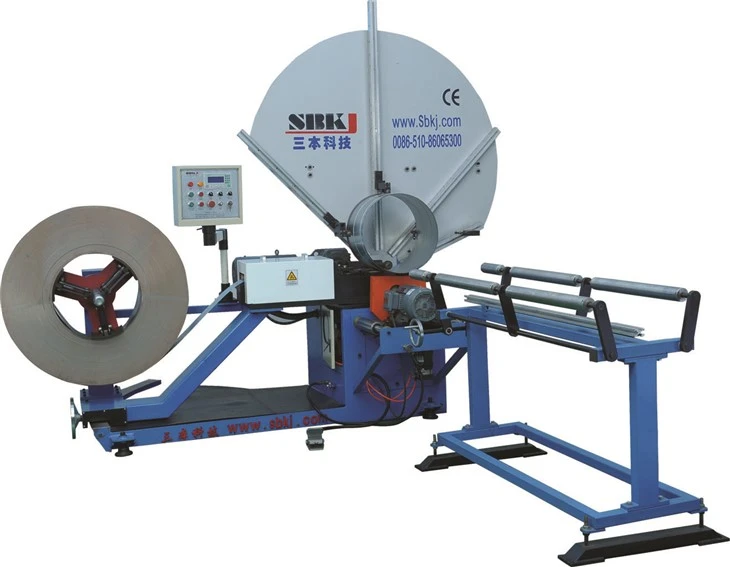
As an HVAC machinery supplier, we offer a wide range of boilers to meet the diverse needs of our customers. In addition to boilers, we also provide high - quality duct - making machines. For example, our Heavy Duty Round Duct Making Machine With Plasma Cutter Machine To Make Ventilation Duct is a great choice for producing ventilation ducts efficiently. Our Spiral Air Duct Making Machine Round Automatic Galvanized Tube Forming Machine and Spiro Round Auto Duct Making Machines Production Line Steel Pipe Spiral Duct Machine are also designed to meet the requirements of different duct - making applications.

If you are in the market for a new boiler or duct - making machines for your HVAC system, we encourage you to contact us for a detailed consultation. Our team of experts can help you select the right equipment based on your specific needs and requirements. We are committed to providing high - quality products and excellent customer service. Whether you are a contractor, a building owner, or an HVAC professional, we are here to assist you in finding the best solutions for your HVAC projects.
References
- ASHRAE Handbook of HVAC Systems and Equipment.
- Boiler and Pressure Vessel Code, American Society of Mechanical Engineers (ASME).
- Various industry publications on HVAC technology and boiler systems.