

What are the environmental impacts of using a Stitchwelder?
Dec 22, 2025
Hey there! As a stitchwelder supplier, I often get asked about the environmental impacts of using these machines. In this blog post, I'll break down the good, the bad, and everything in between when it comes to the environmental footprint of stitchwelders.
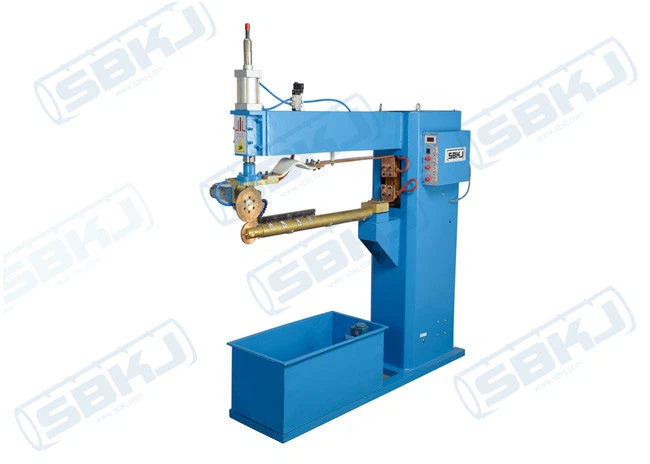
Let's start with the basics. A stitchwelder is a type of welding machine used in various industries, especially in the production of round HVAC air pipe. You can learn more about the Production Of Round Hvac Air Pipe Seaming Welding Air Duct Machine on our website. These machines are great for creating strong, durable joints quickly and efficiently. But like any piece of industrial equipment, they have an impact on the environment.
Energy Consumption
One of the biggest environmental concerns with stitchwelders is energy consumption. These machines typically run on electricity, and the amount of power they use can vary depending on the size and model. Larger stitchwelders with more advanced features may consume more energy, especially during high - intensity welding operations.
However, modern stitchwelders are designed to be more energy - efficient than their predecessors. Manufacturers are constantly working on improving the technology to reduce power consumption. For example, some stitchwelders now use advanced control systems that adjust the power output based on the welding requirements. So, while they do use energy, the industry is moving in a more sustainable direction.
Emissions
When it comes to emissions, stitchwelders can produce both air and solid waste emissions. During the welding process, fumes are released into the air. These fumes can contain harmful substances such as metal oxides, particulate matter, and gases like carbon monoxide and ozone. The exact composition of the fumes depends on the materials being welded and the type of welding process used.
To mitigate these emissions, proper ventilation systems should be installed in the workplace. This helps to remove the fumes from the air and protect the workers' health. Additionally, some advanced stitchwelders are equipped with fume extraction systems that capture the fumes at the source, reducing their release into the environment.
Solid waste is another form of emission associated with stitchwelders. Welding produces slag, which is a by - product of the welding process. Slag is a non - metallic material that needs to be properly disposed of. If not managed correctly, it can end up in landfills or contaminate water sources. Recycling initiatives can be put in place to reuse the slag in other industries, reducing the overall environmental impact.
Material Usage
Stitchwelders are used to join metal parts together, and the choice of materials can have a significant environmental impact. Metals such as steel and aluminum are commonly used in the production of HVAC air ducts, which are often welded using stitchwelders.
Recycled metals are a great option when it comes to reducing the environmental footprint. Using recycled steel or aluminum reduces the need for mining and processing new metals, which is an energy - intensive process. It also helps to conserve natural resources. As a supplier, we encourage our customers to consider using recycled materials in their projects.
Noise Pollution
Stitchwelders can also be a source of noise pollution. The high - speed welding process and the mechanical components of the machine can generate a significant amount of noise. Prolonged exposure to high - level noise can cause hearing damage to workers and also have a negative impact on the surrounding environment.
To address this issue, sound - proof enclosures can be installed around the stitchwelder. These enclosures help to reduce the noise level reaching the outside environment. Additionally, operators should wear appropriate hearing protection to minimize the risk of hearing loss.
Positive Environmental Impacts
Despite the environmental concerns, stitchwelders also have some positive environmental impacts. First of all, the products they help to manufacture, such as HVAC air ducts, are essential for energy - efficient buildings. Properly installed and maintained HVAC systems can reduce energy consumption by regulating the temperature and air quality inside a building.
Secondly, the durability of the welds created by stitchwelders means that the products they are used to make have a longer lifespan. This reduces the need for frequent replacements, which in turn reduces the amount of waste generated over time.

Our Commitment as a Supplier
As a stitchwelder supplier, we are committed to promoting environmental sustainability. We work with manufacturers who are focused on developing energy - efficient stitchwelders. We also provide information and support to our customers on how to minimize the environmental impact of using our machines.
If you are in the market for a Stitchwelder or an Elbow Welder, we can offer you products that not only meet your production needs but also have a reduced environmental footprint. We can also provide guidance on installation, operation, and maintenance to ensure that you are using the machines in the most environmentally friendly way possible.
Contact Us for a Sustainable Solution
If you're interested in learning more about our stitchwelders and how they can fit into your sustainable production plans, we encourage you to get in touch with us. We're here to answer any questions you may have and help you make an informed decision. Whether you're a small - scale workshop or a large industrial facility, we have the right stitchwelder for you. Let's work together to reduce the environmental impact of your welding operations while maintaining high - quality production.
References
- General knowledge about industrial welding machines and environmental impacts
- Industry reports on sustainable manufacturing practices in the welding sector