

What are the environmental requirements for using a Seamwelder?
Oct 01, 2025
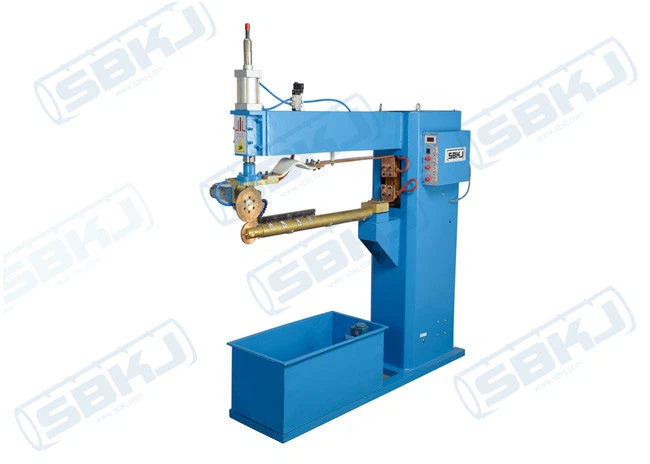
Hey there! I'm a supplier of seamwelders, and today I wanna chat about the environmental requirements for using a seamwelder. You know, seamwelders are pretty nifty machines that are widely used in various industries, especially in the production of round HVAC air pipe seaming. If you're interested in that, check out Production Of Round Hvac Air Pipe Seaming Welding Air Duct Machine.
First off, let's talk about the temperature. Seamwelders are sensitive to temperature changes. They usually work best in an environment where the temperature ranges from 10°C to 35°C. If it's too cold, like below 10°C, the welding process might not go as smoothly. The electrodes could get brittle, and the welding quality could be affected. On the other hand, if it's too hot, above 35°C, the machine might overheat. Overheating can cause damage to the internal components, reduce the lifespan of the machine, and even lead to safety hazards. So, it's important to keep the working area at a proper temperature. You might need to install some heating or cooling equipment to maintain the right temperature range.

Humidity is another crucial factor. The ideal relative humidity for using a seamwelder is between 30% and 70%. High humidity can cause moisture to accumulate on the machine's surface and inside its components. This moisture can lead to corrosion of the metal parts, electrical short - circuits, and other problems. For example, if the humidity is constantly above 70%, the electrodes and connection points might start to rust, which will definitely affect the welding performance. On the contrary, if the humidity is too low, below 30%, static electricity can build up. Static electricity can interfere with the electrical signals in the machine and even cause damage to the electronic components. To control the humidity, you can use dehumidifiers or humidifiers depending on the actual situation.
The cleanliness of the working environment also matters a lot. Seamwelders should be used in a relatively clean area. Dust, dirt, and debris can easily get into the machine and cause blockages. For instance, if dust accumulates on the ventilation openings of the machine, it can restrict the airflow, which is essential for cooling the machine. This can lead to overheating. Also, any foreign particles in the welding area can contaminate the weld, resulting in poor - quality welds. So, it's a good idea to clean the working area regularly and keep it free from unnecessary clutter. You can use vacuum cleaners or compressed air to remove dust from the machine and its surroundings.
In addition to that, the ventilation in the working area is vital. Seam welding produces fumes and gases, which can be harmful to human health if inhaled. The fumes may contain metal oxides, welding fluxes, and other pollutants. Adequate ventilation can help to remove these fumes and keep the air in the working area fresh. You should have good - quality exhaust systems installed near the seamwelder. These systems can suck out the fumes and expel them outside the building. Without proper ventilation, workers may experience respiratory problems, eye irritation, and other health issues over time.
Now, let's talk about the power supply environment. Seamwelders require a stable power supply. Fluctuations in voltage can cause problems with the welding process. If the voltage is too low, the welding current might not be sufficient, resulting in weak welds. If the voltage is too high, it can damage the electrical components of the machine. It's recommended to use a voltage stabilizer to ensure a constant voltage supply. Also, make sure the power source has the right frequency. In most regions, the standard frequency is 50Hz or 60Hz, and the seamwelder should be compatible with that frequency.
Another aspect is the vibration environment. Seamwelders should be placed on a stable surface. Excessive vibration can affect the alignment of the electrodes and the workpiece, leading to uneven welds. It can also cause damage to the internal parts of the machine over time. If the working area is near other heavy - machinery that generates a lot of vibrations, you might need to use vibration - isolating pads or mounts to reduce the impact of the vibrations on the seamwelder.
When it comes to comparing with other welding machines like Spotwelder and Stitchwelder, the environmental requirements have some similarities but also differences. Spotwelders, for example, are also sensitive to temperature and humidity, but they may be less affected by ventilation requirements because they produce less fumes compared to seamwelders. Stitchwelders, on the other hand, might have different vibration requirements depending on their specific design and application.
In conclusion, meeting the environmental requirements for using a seamwelder is essential for ensuring its proper operation, the quality of the welds, and the safety of the workers. If you're in the market for a high - quality seamwelder or have any questions about these environmental requirements, don't hesitate to reach out. We're here to help you make the best choice for your welding needs and ensure that you can use the machine in an optimal environment.
References:
- General knowledge of industrial welding equipment operation and maintenance manuals.
- Industry - specific research on environmental impacts on welding processes.