

What is the difference between a precision and a general - purpose Spotwelder?
Oct 03, 2025
In the realm of welding technology, spot welders play a crucial role in various industries. As a spot welder supplier, I often encounter customers who are confused about the differences between precision spot welders and general - purpose spot welders. In this blog post, I will delve into the details of these two types of spot welders, highlighting their unique features, applications, and the factors that set them apart.

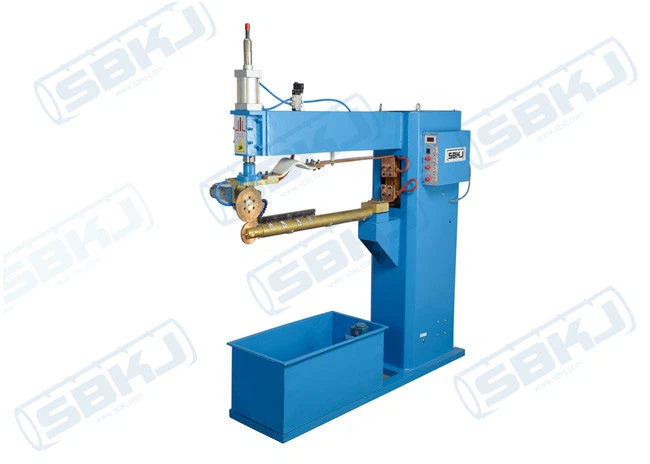
Precision Spot Welders
Precision spot welders are designed for applications that demand high - quality, consistent, and accurate welds. These welders are engineered to provide a high level of control over the welding process, ensuring that each weld meets strict quality standards.
Key Features
- Accurate Welding Parameters: Precision spot welders offer precise control over welding current, time, and pressure. This level of control allows for the customization of welding parameters to suit the specific requirements of different materials and thicknesses. For example, when welding thin sheets of stainless steel, the welder can be adjusted to deliver a short, high - energy pulse to prevent over - heating and distortion.
- Advanced Monitoring and Feedback Systems: These welders are equipped with sophisticated monitoring systems that can detect and adjust welding parameters in real - time. For instance, if the welding current deviates from the set value, the system can automatically make corrections to ensure consistent weld quality. This feature is particularly important in industries such as electronics and medical device manufacturing, where even a minor variation in weld quality can have significant consequences.
- High - Quality Welding Heads: Precision spot welders typically come with high - precision welding heads that are designed to apply uniform pressure and deliver the welding current precisely to the joint. This helps to ensure that the welds are strong, reliable, and aesthetically pleasing.
Applications
- Electronics Industry: In the production of electronic components such as circuit boards, precision spot welders are used to join small wires and contacts. The high level of accuracy and control offered by these welders is essential to prevent damage to delicate electronic components and to ensure proper electrical conductivity.
- Medical Device Manufacturing: Medical devices often require welds that are not only strong but also biocompatible and free from contaminants. Precision spot welders can be used to weld components such as surgical instruments, implants, and diagnostic devices, ensuring that they meet the strict quality and safety standards of the medical industry.
- Jewelry Making: Precision spot welders are also popular in the jewelry industry, where they are used to join precious metals and gemstones. The ability to make small, precise welds without damaging the surrounding materials is crucial in creating high - quality jewelry pieces.
General - Purpose Spot Welders
General - purpose spot welders are more versatile and are designed to handle a wide range of welding applications. They are suitable for both small - scale and large - scale production environments and are often used in industries where the weld quality requirements are not as stringent as in precision applications.
Key Features
- Simple Operation: General - purpose spot welders are relatively easy to operate, making them accessible to operators with varying levels of experience. They typically have a straightforward control panel that allows users to adjust basic welding parameters such as current and time.
- Cost - Effective: These welders are generally more affordable than precision spot welders, making them a popular choice for small businesses and workshops with limited budgets. They offer a good balance between performance and cost, making them suitable for a wide range of applications.
- Robust Construction: General - purpose spot welders are built to withstand the rigors of industrial use. They are typically made of durable materials and are designed to operate continuously for long periods without significant wear and tear.
Applications
- Automotive Industry: In the automotive industry, general - purpose spot welders are used to join various components of the car body, such as panels and frames. While the weld quality requirements are high, the large - scale production nature of the automotive industry makes general - purpose spot welders a practical choice.
- Metal Fabrication: Metal fabricators use general - purpose spot welders to join different types of metal sheets and components. These welders can be used for a variety of applications, including the production of furniture, cabinets, and structural components.
- General Manufacturing: General - purpose spot welders are also used in a wide range of other manufacturing industries, such as the production of appliances, machinery, and consumer goods. They are versatile enough to handle different materials and thicknesses, making them a valuable tool in any manufacturing environment.
Differences Between Precision and General - Purpose Spot Welders
- Weld Quality: The most significant difference between precision and general - purpose spot welders is the quality of the welds they produce. Precision spot welders are capable of producing high - quality, consistent welds with tight tolerances, while general - purpose spot welders may have some variation in weld quality.
- Control and Customization: Precision spot welders offer a higher level of control and customization over the welding process. They allow users to fine - tune welding parameters to suit specific materials and applications, while general - purpose spot welders typically have more limited control options.
- Cost: Precision spot welders are generally more expensive than general - purpose spot welders due to their advanced features and higher level of precision. However, the investment in a precision spot welder may be justified in industries where the quality of the welds is critical.
- Application Scope: Precision spot welders are typically used in industries where high - quality welds are essential, such as electronics, medical devices, and jewelry making. General - purpose spot welders, on the other hand, are more versatile and can be used in a wider range of industries and applications.
Conclusion
In summary, the choice between a precision and a general - purpose Spotwelder depends on the specific requirements of your application. If you need high - quality, consistent welds with tight tolerances, a precision spot welder is the way to go. However, if you are looking for a more versatile and cost - effective solution for a wide range of applications, a general - purpose spot welder may be more suitable.
As a spot welder supplier, we offer a wide range of both precision and general - purpose spot welders to meet the diverse needs of our customers. Our team of experts can help you choose the right welder for your specific application and provide you with the support and training you need to get the most out of your investment. If you are interested in learning more about our spot welders or have any questions about the welding process, please do not hesitate to contact us. We look forward to discussing your requirements and helping you find the perfect welding solution. Additionally, if you are also interested in other welding equipment like Seamwelder or Production Of Round Hvac Air Pipe Seaming Welding Air Duct Machine, we can provide you with detailed information.
References
- "Welding Handbook", American Welding Society
- "Introduction to Welding Technology", John C. Pfund