

What is the effect of electrode shape on Stitchwelder performance?
Jul 03, 2025
Hey there! As a supplier of stitchwelders, I've seen firsthand how the shape of electrodes can have a huge impact on the performance of these machines. In this blog post, I'm gonna break down the different electrode shapes, how they affect stitchwelder performance, and why it matters for your business.
Understanding Stitchwelders
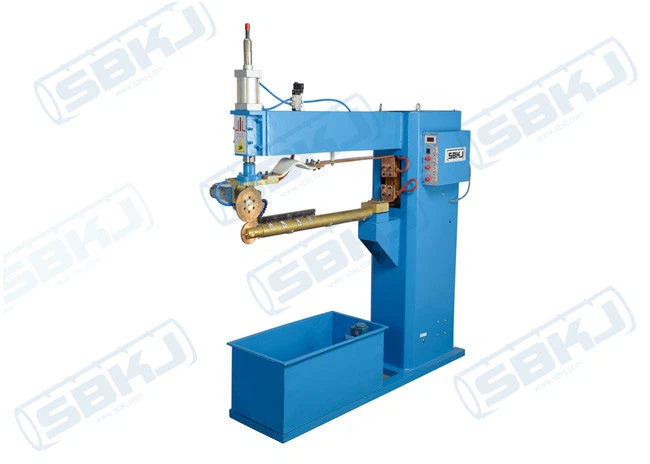
Before we dive into electrode shapes, let's quickly go over what stitchwelders are. A stitchwelder is a type of welding machine that creates a series of overlapping welds, or "stitches," along a joint. It's commonly used in industries like HVAC, automotive, and manufacturing for joining thin sheets of metal.
Compared to other welding machines like Spotwelder and Seamwelder, stitchwelders offer a balance between speed and strength. They're faster than spot welders because they create multiple welds in one pass, and they provide more flexibility than seam welders, which create continuous welds.
The Role of Electrodes in Stitchwelders
Electrodes are a crucial part of stitchwelders. They conduct the electrical current that generates the heat needed to melt the metal and create the weld. The shape of the electrode can affect several aspects of the welding process, including the quality of the weld, the speed of the welding operation, and the lifespan of the electrode itself.
Different Electrode Shapes and Their Effects
Flat Electrodes
Flat electrodes are one of the most common shapes used in stitchwelders. They have a simple, planar surface that comes into contact with the metal being welded.
- Weld Quality: Flat electrodes distribute the electrical current evenly across the surface of the metal, which can result in consistent and uniform welds. This makes them a great choice for applications where appearance and precision are important, such as in the production of Production Of Round Hvac Air Pipe Seaming Welding Air Duct Machine.
- Welding Speed: Because the flat surface provides a large contact area, flat electrodes can transfer heat quickly to the metal, allowing for faster welding speeds. However, they may also cause more heat to be dissipated into the surrounding metal, which can lead to distortion if not managed properly.
- Electrode Lifespan: The flat shape is relatively easy to machine and maintain, which can extend the lifespan of the electrode. However, the large contact area can also lead to more wear and tear, especially if the welding parameters are not optimized.
Round Electrodes
Round electrodes, as the name suggests, have a circular cross-section. They are often used in applications where a more concentrated weld is required.
- Weld Quality: Round electrodes focus the electrical current into a smaller area, which can create a deeper and stronger weld. This makes them suitable for welding thicker materials or for applications where high strength is required.
- Welding Speed: The concentrated heat transfer of round electrodes can result in faster melting of the metal, but the smaller contact area may require more passes to cover the same length of the joint, which can slow down the overall welding speed.
- Electrode Lifespan: Round electrodes tend to wear more evenly around the circumference, which can increase their lifespan. However, they may be more difficult to machine and maintain compared to flat electrodes.
Domed Electrodes
Domed electrodes have a curved surface that provides a unique combination of the characteristics of flat and round electrodes.
- Weld Quality: The domed shape allows for a more gradual transfer of heat, which can reduce the risk of overheating and distortion. This results in high-quality welds with good appearance and strength.
- Welding Speed: Domed electrodes can provide a balance between the fast heat transfer of flat electrodes and the concentrated heat of round electrodes, allowing for relatively fast welding speeds without sacrificing weld quality.
- Electrode Lifespan: The curved surface can distribute the wear more evenly, which can extend the lifespan of the electrode. However, like round electrodes, they may be more challenging to machine and maintain.
Factors to Consider When Choosing Electrode Shapes
When deciding which electrode shape to use for your stitchwelder, there are several factors to consider:

Material Thickness
Thicker materials generally require electrodes that can provide more concentrated heat, such as round or domed electrodes. Thinner materials, on the other hand, may benefit from the even heat distribution of flat electrodes.
Weld Strength Requirements
If your application requires high-strength welds, round or domed electrodes may be the better choice. For less demanding applications, flat electrodes may be sufficient.
Welding Speed
If speed is a priority, flat electrodes may be the way to go, as they can transfer heat quickly across a large area. However, if you need to balance speed with weld quality, domed electrodes may offer a good compromise.
Cost and Maintenance
The cost of electrodes and the ease of maintenance should also be taken into account. Flat electrodes are typically the most cost-effective and easiest to maintain, while round and domed electrodes may require more specialized machining and maintenance.
Conclusion
In conclusion, the shape of the electrode plays a significant role in the performance of stitchwelders. Each electrode shape has its own advantages and disadvantages, and the choice depends on a variety of factors, including the material being welded, the strength requirements of the weld, the desired welding speed, and cost considerations.
As a stitchwelder supplier, I understand the importance of choosing the right electrode shape for your specific application. If you're looking to improve the performance of your stitchwelder or need help selecting the right electrodes, I'd love to chat. Reach out to me, and we can discuss your needs and find the best solution for your business.
References
- "Welding Handbook," American Welding Society
- "Principles of Resistance Welding," RWMA (Resistance Welding Manufacturers Alliance)