

What is the effect of material thickness on a Stitchwelder's welding ability?
Dec 03, 2025
Hey there! As a supplier of Stitchwelders, I've seen firsthand how the material thickness can have a huge impact on a Stitchwelder's welding ability. In this blog, I'm gonna break down all the effects that different material thicknesses can have on our machines, and why it matters for your projects.
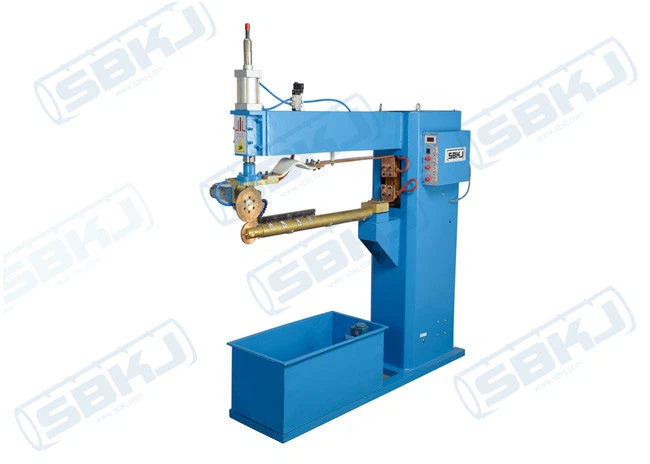
Let's start with the basics. A Stitchwelder, like the Automatic Stitch Welder, is a crucial piece of equipment in many industries, especially those involved in the Production Of Round Hvac Air Pipe Seaming Welding Air Duct Machine. It's used to create a series of welds at regular intervals, which is great for joining two pieces of metal together. But the thickness of the material you're working with can change everything.
Thin Materials
When we're talking about thin materials, we're usually looking at anything less than 1mm in thickness. Welding thin materials with a Stitchwelder has its own set of advantages and challenges.
Advantages
- Faster Welding Speed: Thin materials require less heat to melt and fuse together. This means that the Stitchwelder can work at a much faster pace. You can get through a large volume of work in a shorter amount of time, which is great for high - production environments.
- Less Heat Affected Zone (HAZ): Since less heat is needed, the area around the weld that gets affected by the heat is smaller. This is important because a smaller HAZ means less distortion of the material. The final product will have better dimensional accuracy, which is crucial in applications where precision is key.
Challenges
- Burn - Through: One of the biggest problems when welding thin materials is the risk of burn - through. If the welding current is too high or the welding speed is too slow, the heat can cause the material to melt completely, leaving holes in the workpiece. This can ruin the part and waste materials.
- Electrode Wear: The electrodes in a Stitchwelder can wear out more quickly when welding thin materials. The thinness of the material means that the electrodes are in closer contact with the surface, and the high - frequency welding process can cause more abrasion.
Medium - Thickness Materials
Medium - thickness materials, typically ranging from 1mm to 3mm, are a sweet spot for many Stitchwelder applications.

Advantages
- Good Weld Quality: With medium - thickness materials, it's easier to achieve a good balance between heat input and weld strength. The Stitchwelder can create strong, reliable welds without the risk of burn - through that's common with thin materials.
- Versatility: These materials are used in a wide range of industries, from automotive to HVAC. A Stitchwelder can handle various projects involving medium - thickness materials, making it a versatile tool for different applications.
Challenges
- Heat Management: While medium - thickness materials are more forgiving than thin ones, heat management is still crucial. If the heat input is too high, it can cause warping and distortion. On the other hand, if the heat is too low, the weld may not be strong enough.
- Weld Penetration: Ensuring proper weld penetration can be a challenge. The Stitchwelder needs to be set up correctly to make sure that the weld goes deep enough into the material to create a strong bond, but not so deep that it causes problems on the other side.
Thick Materials
Thick materials, usually over 3mm, present a whole new set of challenges and considerations for Stitchwelder users.
Advantages
- Strong Welds: When you're welding thick materials, the Stitchwelder can create extremely strong welds. These welds are capable of withstanding high levels of stress and load, making them suitable for heavy - duty applications.
- Durability: Thick - material welds are often more durable over time. They're less likely to crack or break under normal use, which is important for products that need to last a long time.
Challenges
- High Heat Input: Thick materials require a lot of heat to melt and fuse. This means that the Stitchwelder needs to be capable of delivering a high welding current. Running the machine at high currents for extended periods can put a lot of stress on the equipment, leading to increased wear and tear.
- Longer Welding Time: Since more heat is needed and the material takes longer to melt, the welding process is slower. This can reduce productivity, especially in high - volume production settings.
Impact on Weld Quality
The quality of the weld is directly affected by the material thickness. For a good weld, we need to consider factors like weld strength, appearance, and porosity.
- Weld Strength: As we've discussed, different material thicknesses require different welding parameters. If these parameters aren't set correctly, the weld strength can be compromised. For example, if a Stitchwelder is set to weld thick materials but is used on thin materials, the weld may be too strong and cause burn - through. Conversely, if it's set for thin materials and used on thick ones, the weld may not be strong enough.
- Appearance: The appearance of the weld is also important, especially in applications where the weld is visible. Thin materials tend to have a cleaner, more precise weld appearance because of the smaller HAZ. Thick materials may have a rougher appearance due to the higher heat input and longer welding time.
- Porosity: Porosity, or the presence of small holes in the weld, can be an issue. With thin materials, porosity can be caused by contaminants on the surface or improper shielding gas. With thick materials, it can be due to incomplete fusion or gas entrapment during the welding process.
Choosing the Right Stitchwelder
As a Stitchwelder supplier, I know that choosing the right machine for the material thickness is crucial. Some Stitchwelders are designed specifically for thin materials, while others are better suited for thick materials. There are also some Seamwelder models that offer more flexibility and can handle a range of material thicknesses.
When you're selecting a Stitchwelder, you need to consider the following:
- Welding Current Range: Make sure the machine can provide the appropriate welding current for the material thickness you'll be working with. A wider current range gives you more flexibility.
- Welding Speed Adjustability: Being able to adjust the welding speed is important, especially when working with different material thicknesses. You need to be able to slow down for thick materials and speed up for thin ones.
- Electrode Compatibility: Different electrodes are better suited for different material thicknesses. The Stitchwelder should be compatible with a variety of electrodes so that you can choose the right one for your project.
Conclusion
In conclusion, the thickness of the material has a significant effect on a Stitchwelder's welding ability. Whether you're working with thin, medium, or thick materials, each has its own set of advantages and challenges. Understanding these effects is crucial for achieving high - quality welds and maximizing the efficiency of your Stitchwelder.
If you're in the market for a Stitchwelder or have any questions about how material thickness affects welding, don't hesitate to reach out. We're here to help you choose the right equipment for your specific needs and guide you through the process. Let's start a conversation about your project and find the perfect solution together.
References
- "Welding Handbook", American Welding Society
- "Metal Joining Processes", Industrial Press Inc.