

What is the maximum and minimum diameter of ducts a Round Duct Former can produce?
Oct 23, 2025
As a trusted supplier of Round Duct Formers, I often receive inquiries regarding the maximum and minimum diameters of ducts these machines can produce. This aspect is crucial for various industries, including HVAC, construction, and manufacturing, as it directly impacts the functionality and efficiency of duct systems. In this blog post, I will delve into the factors influencing these diameter limits and provide insights into the capabilities of our Round Duct Formers.
Factors Affecting Duct Diameter Production
The maximum and minimum diameters of ducts that a Round Duct Former can produce are determined by several key factors. Understanding these factors is essential for selecting the right machine for your specific requirements.
Machine Design and Construction
The design and construction of the Round Duct Former play a significant role in determining the diameter range. Machines with robust frames and high - quality components can handle larger and more precise duct formations. For example, our Hydraulic Rolling Machine is engineered with a heavy - duty frame and advanced hydraulic systems, allowing it to produce ducts with a wide range of diameters. The precision - machined rollers and adjustable settings ensure consistent and accurate duct production.
Roller Size and Configuration
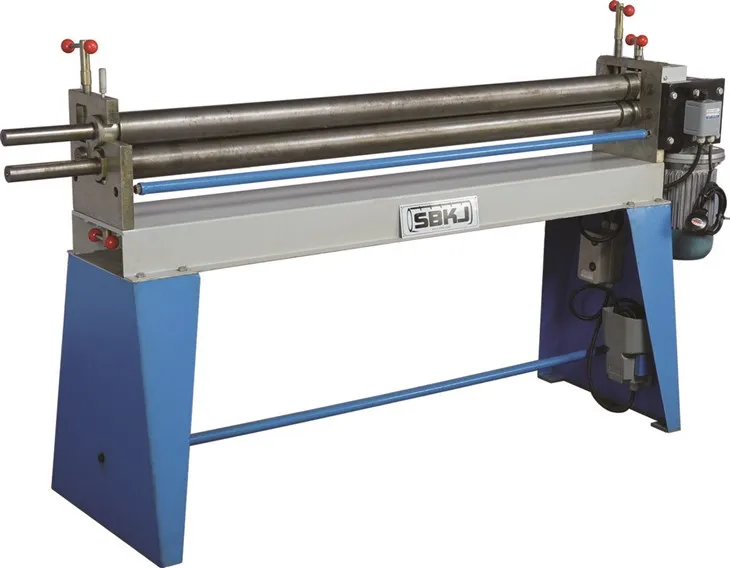
The size and configuration of the rollers in the Round Duct Former are critical factors. Larger rollers can accommodate wider sheets of metal, which is necessary for producing larger - diameter ducts. Conversely, smaller rollers are required for creating smaller - diameter ducts. Our Round Duct Slip Roll Machine Electric 3 Rolls Plate Rolling Machine features three precisely engineered rollers that can be adjusted to different positions. This flexibility enables the machine to produce ducts with diameters ranging from relatively small to moderately large sizes.
Material Thickness and Type
The thickness and type of the material used for duct production also influence the achievable diameter range. Thicker materials generally require more force to bend into a circular shape, which may limit the minimum diameter that can be produced. For instance, stainless steel, which is a common material for ductwork, has different bending characteristics compared to galvanized steel. Our Round Duct Formers are designed to handle a variety of materials, including different grades of steel, aluminum, and copper. However, the operator needs to adjust the machine settings according to the material properties to ensure optimal duct production.
Motor Power and Torque
The motor power and torque of the Round Duct Former are essential for driving the rollers and bending the metal. A more powerful motor can provide the necessary force to bend thicker materials and produce larger - diameter ducts. Our machines are equipped with high - power motors that offer sufficient torque to handle a wide range of duct production requirements. This ensures that the machine can operate smoothly and efficiently, even when producing ducts at the upper end of the diameter range.
Maximum Diameter of Ducts
The maximum diameter of ducts that our Round Duct Formers can produce depends on the specific model of the machine. Generally, our high - end models, such as the Hydraulic Rolling Machine, can produce ducts with diameters up to 1200mm or even larger in some cases. These machines are designed for heavy - duty applications and can handle large sheets of metal with ease.
The production of large - diameter ducts requires careful consideration of several factors. First, the material handling system needs to be able to support the large sheets of metal during the bending process. Our machines are equipped with advanced material handling features, such as adjustable guides and support rollers, to ensure that the metal sheet is properly aligned and fed into the rollers. Second, the bending process needs to be carefully controlled to avoid any defects, such as wrinkles or uneven bends. Our machines use precision - controlled hydraulic systems and advanced control panels to ensure accurate and consistent bending.
Minimum Diameter of Ducts
The minimum diameter of ducts that our Round Duct Formers can produce is typically around 50mm. This is achievable with our more compact and precision - engineered models, such as the Manual Asymmetrical Plate Steel Metal Rolling Machine. Producing small - diameter ducts requires high precision and fine - tuned machine settings.
When producing small - diameter ducts, the material thickness needs to be carefully selected. Thinner materials are generally more suitable for creating small - diameter ducts as they are easier to bend. Additionally, the rollers need to have a small radius of curvature to form the tight bends required for small - diameter ducts. Our machines are designed with adjustable rollers that can be set to the appropriate radius to ensure accurate and smooth bending of small - diameter ducts.
Applications of Different Duct Diameters
The different diameters of ducts produced by our Round Duct Formers find applications in various industries.
HVAC Systems
In HVAC systems, small - diameter ducts are often used for residential and small - scale commercial applications. They are ideal for distributing air in tight spaces, such as attics and crawl spaces. Larger - diameter ducts are used in large commercial buildings, industrial facilities, and data centers, where a higher volume of air needs to be circulated.

Industrial Exhaust Systems
Industrial exhaust systems require ducts of various diameters depending on the type of process and the volume of exhaust gases. Small - diameter ducts can be used for local exhaust systems, while large - diameter ducts are necessary for central exhaust systems in factories and manufacturing plants.
Construction and Building Services
In construction, ducts are used for ventilation, smoke extraction, and other building services. The diameter of the ducts is determined by the size and requirements of the building. Our Round Duct Formers can produce ducts that meet the specific needs of different construction projects.
Conclusion
The maximum and minimum diameters of ducts that a Round Duct Former can produce are influenced by several factors, including machine design, roller size, material properties, and motor power. As a supplier of Round Duct Formers, we offer a range of machines that can produce ducts with a wide range of diameters, from as small as 50mm to as large as 1200mm or more. Our machines are designed with advanced features and high - quality components to ensure accurate, efficient, and reliable duct production.
If you are in the market for a Round Duct Former and need to produce ducts within a specific diameter range, we encourage you to contact us for more information. Our team of experts can help you select the right machine for your needs and provide you with detailed technical specifications and support. Whether you are a small - scale contractor or a large industrial manufacturer, we have the solution for your duct production requirements.
References
- ASHRAE Handbook - HVAC Systems and Equipment. American Society of Heating, Refrigerating and Air - Conditioning Engineers.
- Metal Duct Construction Standards. Sheet Metal and Air Conditioning Contractors' National Association (SMACNA).