

Why Choose Us
Professional Team
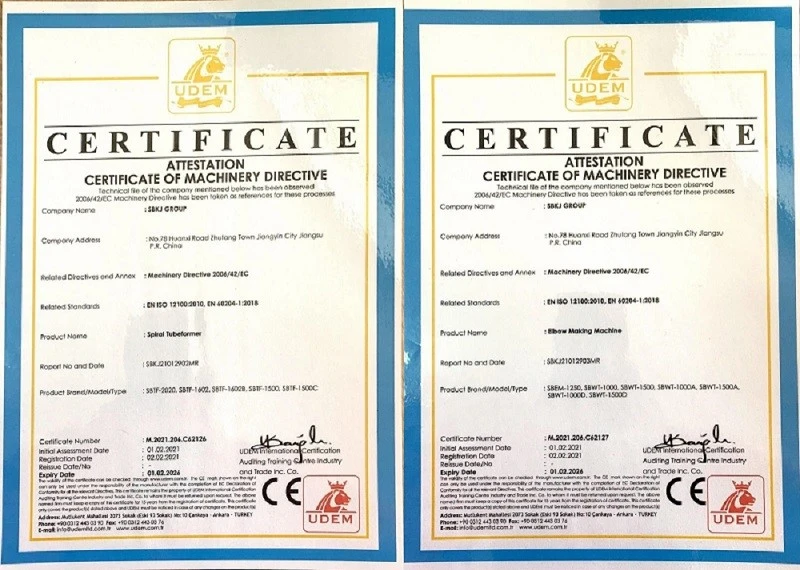
We have gotten the certifcates of ISO9001:2008, CE and etc. So we can provide the most professional service for customers with years of experience and full-service professional teams.
Cargo tracking service
We have an excellent tracking service system, which can promote the goods to reach their destination safely and quickly. Customers can check the shipping status of the goods at any time through our cargo tracking service.
Quality Control
For each process,we have strict inspection standards,and we always insist that quality is life.
Competitive Price
We have a professional purchasing team and costing team,trying to reduce costs and profits,and provide you with a good price.
A flange forming machine is a type of sheet metal forming machinery that is used to create flanges in metal sheets or plates. These machines come in various designs and configurations, but generally operate by clamping a sheet of metal between two dies and applying pressure to shape it into the desired flange form. The resulting flange can be used for various purposes, such as stiffening a structure or creating a seal between two surfaces. Flange forming machines can be manual or automated, and can handle a range of thicknesses and materials, from thin aluminum sheets to thick steel plates.
-
![Air Duct Equipment Common Plate Flange Machine]()
Air Duct Equipment Common Plate Flange Machine
Add to Inquiry -
![Ventilation Air Duct Pdf Machine Hvac Duct Flange Forming Machine]()
-
![Trans-Verse Flange Duct System Machine Roll Forming Machine]()
Trans-Verse Flange Duct System Machine Roll Forming Machine
Add to Inquiry -
![Hydraulic PDF Fan Flanging Machine]()
Hydraulic PDF Fan Flanging Machine
Add to Inquiry -
![Flange Roll Machine]() Add to Inquiry
Add to Inquiry -
![Air Metal Duct Sheet Forming Machine]()
Air Metal Duct Sheet Forming Machine
Add to Inquiry -
![Duplex PDF Roll Forming Line]() Add to Inquiry
Add to Inquiry -
![duct Flange Forming Machinery]() Add to Inquiry
Add to Inquiry -
![Gdf Pdf Flange Profile Machine]()
Gdf Pdf Flange Profile Machine
Add to Inquiry -
![Portable Automatic Flange Forming Machine Duct Making Machine]()
-
![Flexible Duct Connector Machine]()
Flexible Duct Connector Machine
Add to Inquiry -
![Automatic Canvas Flexible Connector Duct Machine]()
Automatic Canvas Flexible Connector Duct Machine
Add to Inquiry
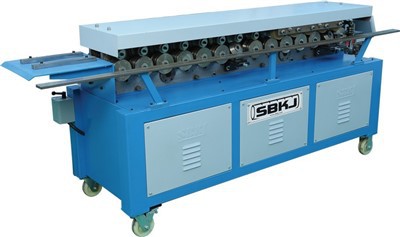
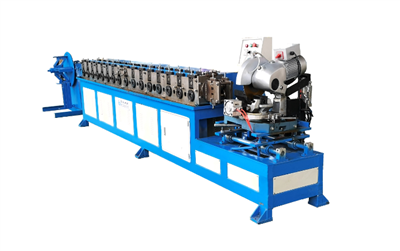
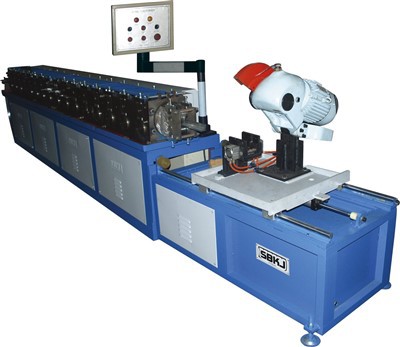

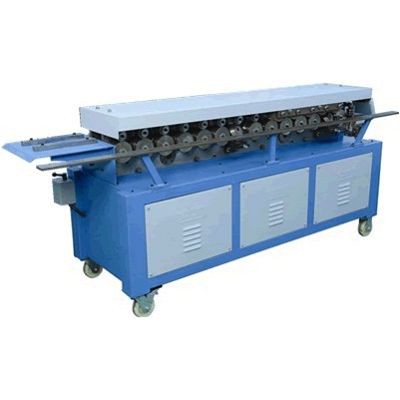


Benefits of Flang Forming Machine
Small size and light weight
This machine has the characteristics of compact structure, small size and light weight because it not only adopts the transmission structure of new technology, the input shaft and output shaft are on the same axis, but also has a direct connection with the motor.
High mechanical efficiency, few failures and long service life
The main transmission meshing parts of the machine are made of high-quality bonded steel, and the work roll end bearing is supported by the bearing produced with foreign technology, which has a large bearing capacity and reduces the power loss caused by friction. Therefore, the machine has good mechanical performance, good wear resistance, and rolling friction, so it has fewer failures and long service life.
Reliable and stable operation
This machine is engaged by multiple teeth during transmission, so it can operate stably and reliably with low noise.
Convenient disassembly and easy maintenance
His machine adopts the overall structure, reasonable design, strong rigidity, simple disassembly and easy maintenance.
What are the Applications of Flang Forming Machine
HVAC (Heating, Ventilation, and Air Conditioning) industry
Flange forming machines are widely used for manufacturing air ducts, air conditioning ducts, and ventilation ducts. These machines are capable of producing flanges of different shapes and sizes, which are essential for connecting ducts.
Automotive industry
Flange forming machines are used for manufacturing various components of automobiles, such as exhaust systems, brake systems, and fuel tanks. Flanged edges provide a tight and secure fit, which is important for ensuring the safety and longevity of vehicles.
Aerospace industry
Flange forming machines are used for manufacturing components for aircraft engines, such as flanged tubes, pipes, and pressure vessels. The precision and accuracy of flange forming machines are critical for producing components with high-performance standards.
Construction industry
Flange forming machines are used for manufacturing structural components, such as beams, columns, and brackets, which require flanged edges for connecting with other components.
Furniture industry
Flange forming machines are used for manufacturing metal furniture components such as chairs, beds, tables, and cabinets.
Equipment manufacturing industry
Flange forming machines are used for producing metal parts for equipment such as generators, pumps, turbines, compressors, and more.
Flang Forming Machine Basic Parameters
Overall Dimensions
The machine measures 2700mm in length, 700mm in width, and 1100mm in height.
Weight
The machine weighs approximately 850 kilograms.
Reducer Model
The machine uses an RV110 reducer with a gear ratio of 25-30.
Motor Power
The motor has a power output of 3 kW.
Applicable Material
The machine is designed to work with galvanized ordinary plates with a thickness of 0.6mm to 1.2mm.
Working Speed
On average, the machine operates at a speed of about 14 meters per minute.
Length Limitation
There is no limit to the length of material that can be processed by the machine.
Product Accuracy
The size error does not exceed ±0.6mm, and the angle error does not exceed ±2 degrees.
Components of Flang Forming Machine
Feeding system: The feeding system of the flange forming machine is responsible for providing the raw material to the forming process. It typically includes a decoiler, a leveling device, and a feeding roller.
Forming system: The forming system utilizes roll forming technology to shape the raw material into the desired flange profile. The rolls are carefully designed to create the precise shape and dimensions required for the specific application.
Cutting system: Once the flange has been formed, the cutting system separates it from the rest of the material. This system may include a shear or cutting blade, which can be either mechanical or hydraulic.
Control system: The control system manages the entire production process, including the feeding, forming, and cutting systems. It includes a PLC (Programmable Logic Controller) and an HMI (Human-Machine Interface) to monitor and control machine parameters such as speed, tension, and cutting length.
Support system: The support system includes the frame, rollers, and bearings that hold the forming system in place and provide stability during the forming and cutting process.
Hydraulic system:The hydraulic system powers the cutting system and provides the necessary pressure for the forming system to work effectively. It includes a pump, a motor, and various valves and cylinders.
Electrical system: The electrical system includes all the wiring, sensors, switches, and motors required to power the machine. It also includes safety features such as emergency stop buttons and safety guards to protect operators from accidents.

How a Flang Forming Machine Works
Material preparation
First of all, the operator needs to prepare the metal plate, usually using galvanized or stainless steel plate. The size and thickness of the plate should meet the design requirements.
Sheet feeding
Place the sheet metal on the feeding device of the flange forming machine and ensure the accurate position and positioning of the sheet.
Positioning and shaping
The flange forming machine locates the sheet metal to the correct position through the positioning device. Then, by means of machining, the sheet metal is pressed, cut and flanged by rollers or cutting tools to gradually form the shape and structure of the flange.
Roller or tool adjustment
According to the thickness of the sheet metal and the desired flange shape, the position, angle and spacing of the roller or tool need to be adjusted to ensure accuracy and consistency in the forming process.
Forming completion
After a series of rolling, cutting and flanging operations, the sheet metal finally forms a complete flange shape. The working principle of flange forming machine is based on the action of mechanical force. The metal plate is processed and formed by rollers or cutting tools, and finally flange is formed. The whole process requires operators to adjust according to design requirements and equipment to ensure the accuracy and quality of sheet metal positioning, processing and forming.
Safety Operation Instructions of Flange Forming Machine
Familiar with the operation manual
Before operating the flange forming machine, you must carefully read and understand the operation manual of the equipment. Familiarity with the functions, performance, operating procedures and safety requirements of the equipment is the basis for ensuring safe operation.
Personal protective equipment
During operation, operators should wear appropriate personal protective equipment, including goggles, earplugs or earmuffs, work gloves and non-slip shoes. These equipment can effectively protect operators from possible harm.
Equipment inspection
A comprehensive inspection of the equipment must be carried out before using the flange forming machine. Ensure that all safety shields, protective devices and fasteners are intact and that the operating parts are flexible and reliable. If any abnormality or damage is found, it should be repaired or replaced immediately.
Power and electrical safety
Ensure that the power connection of the flange forming machine is correct and stable and meets the safety requirements. It is forbidden to operate the equipment in a humid environment to prevent the danger of electric shock. Avoid using damaged or aging cables and plugs.
Material preparation
Prepare the required sheet metal before operation and ensure that it meets the requirements of the specification. Check the size, thickness and surface quality of the sheet to make sure it is suitable for forming and there are no serious defects or deformations.
Operation skills
According to the instructions of the operation manual, correctly set and adjust the parameters and working mode of flange forming machine. Ensure that tools, rollers and moulds are installed correctly and carry out necessary lubrication and maintenance. Follow the correct operation steps to avoid operation errors and dangerous actions.
Maintenance Tips for Flang Forming Machine
Regular Cleaning
Regular cleaning of the flange forming machine is essential to remove any debris, dust, or dirt that may have accumulated during the production process. Use a clean cloth or brush to wipe down the machine's surface, and avoid using water or other cleaning agents that may damage the equipment.
Lubrication
Proper lubrication of the flange forming machine's moving parts is crucial for its smooth functioning. Make sure to use high-quality lubricants that are recommended by the manufacturer.
Alignment
Alignment of the flange forming machine's components, such as rollers, cutters, and forming heads, is critical for its optimal performance. Check for any misalignment or wear and tear of parts, and adjust or replace them as required.
Regular Inspection
Regular inspections of the flange forming machine will help detect any issues early on and prevent costly repairs. Keep an eye out for any signs of wear, damage, or misalignment of parts and address them promptly.
Operator Training
Proper training of the machine operators is necessary to prevent any mishaps during operation. Ensure that the employees handling the equipment are adequately trained and aware of the safety protocols.
Preventive Maintenance
Implementing a preventive maintenance program can help extend the lifespan of the flange forming machine and prevent breakdowns. Schedule regular checks, cleaning, lubrication, and other maintenance tasks as per the manufacturer's recommendations.
Our Factory
SBKJ GROUP, a professional HVAC duct manufacturing machines supplier. Products mainly consist of auto duct production line, rectangular duct making machine and round/spiral duct forming machine. SBKJ's research and development is the cornerstone for our Automatic Tubeformers that produce a higher-quality duct with reduced production costs. SBKJ is established as the foremost and leading inovator in SPIRAL DUCT manufacturing with development is the cornerstone for our Automatic Tubeformers that produce a higher-quality duct with reduced production costs. SBKJ is established as the foremost and leading inovator in SPIRAL DUCT manufacturing with several patented inventions, such as the Flying Slitter and Flying crimper. Besides, OEM service is available.


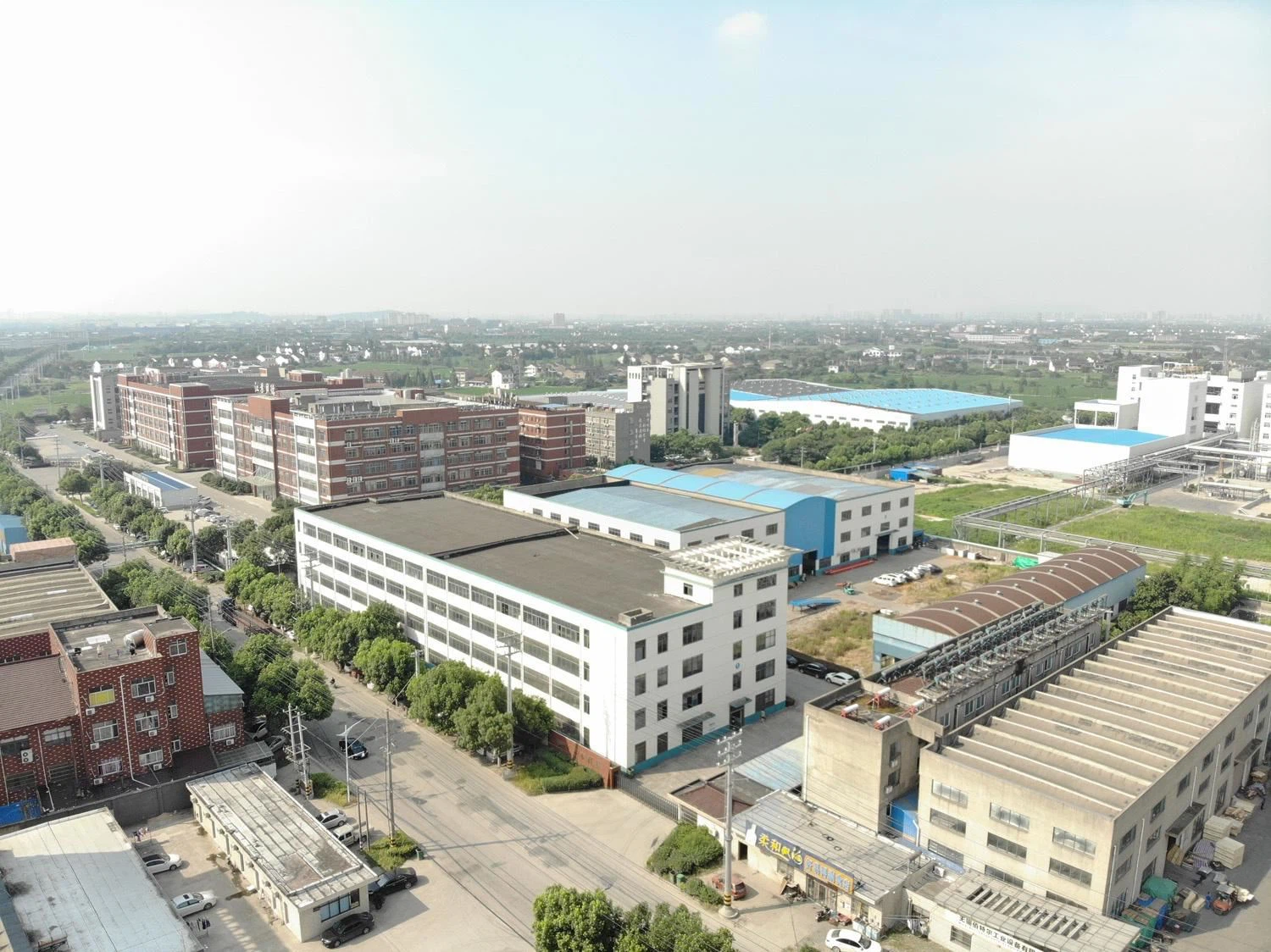
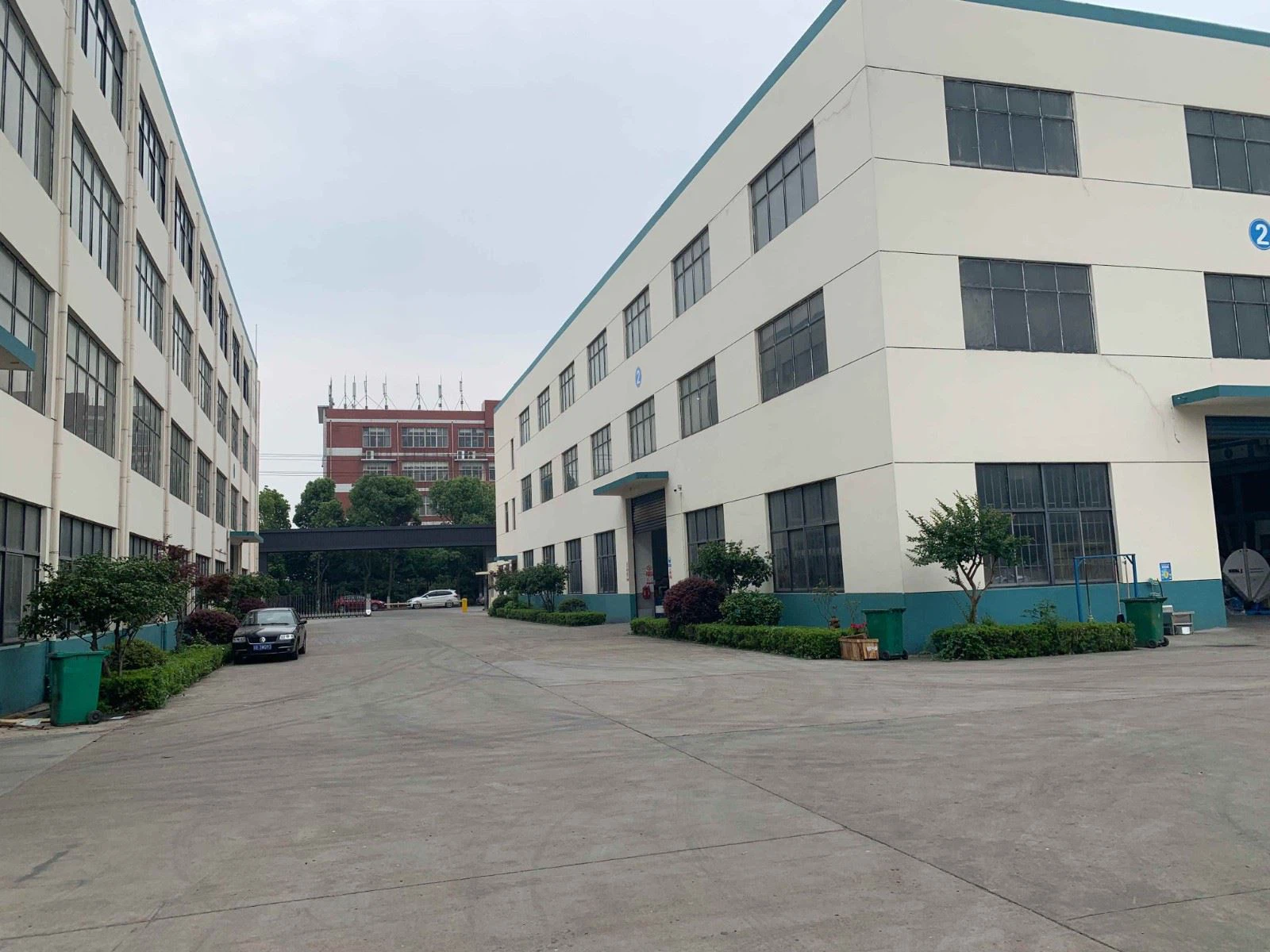
factory
FAQ
Q: What is a flange forming machine?
Q: What are the applications of a flange forming machine?
Q: What are the types of flange forming machines available in the market?
Q: What factors should be considered while selecting a flange forming machine?
Q: What safety measures should be taken while operating a flange forming machine?
Q: What maintenance is required for a flange forming machine?
Q: What is the lifespan of a flange forming machine?
Q: What are the common issues that may arise while operating a flange forming machine?
Q: How do I choose the right flange forming machine for my needs?
Q: What are the benefits of using a flange forming machine?
Q: What types of flange forming machines are available?
Q: What are the advantages of using a flange forming machine?
Q: What factors should be considered when selecting a flange forming machine?
Q: What applications are flange forming machines used for?
Q: What is the forming process?
Q: How does a flange forming machine differ from other types of forming machines?
Q: What safety precautions should be taken when using a flange forming machine?
Q: What is an example of a Flang Forming Machine?
Q: What is the difference between forming and forging?
Q: What is the difference between forming and machining process?
We're well-known as one of the leading flang forming machine manufacturers and suppliers in China, featured by quality products and competitive price. Please feel free to buy customized flang forming machine made in China here from our factory.
standard flang forming machine, Duplex TDF Flange Forming Machine, second hand flang forming machine