

Why Choose Us
Professional Team
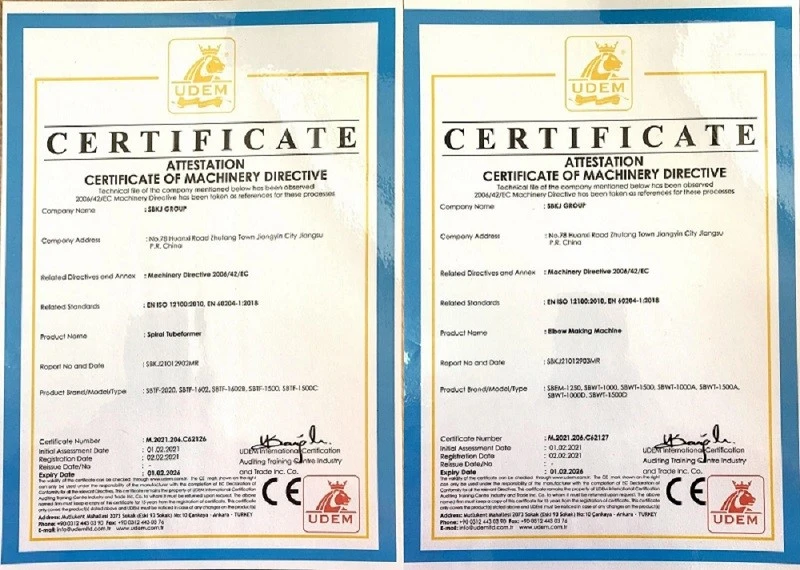
We have gotten the certifcates of ISO9001:2008, CE and etc. So we can provide the most professional service for customers with years of experience and full-service professional teams.
Cargo tracking service
We have an excellent tracking service system, which can promote the goods to reach their destination safely and quickly. Customers can check the shipping status of the goods at any time through our cargo tracking service.
Quality Control
For each process,we have strict inspection standards,and we always insist that quality is life.
Competitive Price
We have a professional purchasing team and costing team,trying to reduce costs and profits,and provide you with a good price.
A cutting machine is a tool or device used for cutting or shaping materials, such as metal, wood, paper, fabric, plastic, foam, and more. These machines can operate manually or automatically, using various methods such as sawing, punching, shearing, laser cutting, waterjet cutting, plasma cutting, and more. Cutting machines are commonly used in industries such as manufacturing, construction, automotive, textiles, printing, and crafts. They are also used by hobbyists and DIY enthusiasts for various projects.
-
![Duct Plasma Cutting Machine For Thin Sheet]()
Duct Plasma Cutting Machine For Thin Sheet
Add to Inquiry -
![AutomaticSquare Tube Pipe Plasma Cutting Cutter Machine]()
AutomaticSquare Tube Pipe Plasma Cutting Cutter Machine
Add to Inquiry -
![Lasma Cutting Machine Plasma Metal Cutter]()
Lasma Cutting Machine Plasma Metal Cutter
Add to Inquiry -
![CNC Plasma Pipe Table Cutter Cutting Machine]()
CNC Plasma Pipe Table Cutter Cutting Machine
Add to Inquiry -
![Steel Metal CNC Sheet And Tube Price Fiber Laser Cutting Machine]()
-
![CNC Plasma Cutter Metal Pipe CNC Plasma Cutting Machine]()
CNC Plasma Cutter Metal Pipe CNC Plasma Cutting Machine
Add to Inquiry -
![Fiber Laser Cutting Machine Rotary Metal Plate Tube Cutter]()
Fiber Laser Cutting Machine Rotary Metal Plate Tube Cutter
Add to Inquiry -
![Sheet Metal Cutting Guillotine Tools Electric Shearing Machine Production Tools Making Duct Machine]()
-
![Laser Cutter Cortadora Laser CNC Fiber Laser Cutting Machine Sheet Metal]()
-
![Size Metal CNC Fiber Laser Cutting Machine]()
Size Metal CNC Fiber Laser Cutting Machine
Add to Inquiry -
![Metal Sheet And Tube Portable Cnc Plasma Cutting Machine]()
Metal Sheet And Tube Portable Cnc Plasma Cutting Machine
Add to Inquiry -
![Plasma Cutting Machine]() Add to Inquiry
Add to Inquiry


Benefits of Cutting Machine
Flexibility
Laser cutting does not need tooling or an exchange of tools to achieve separate cuts. They require no hard tools, which means there is no need for tool changeover or sharpening in between cuts. And, the setup you start with is the same setup you can use to cut a variety of shapes within the same material thickness. Laser cutting machines are flexible and can achieve intricate cuts without costly downtime or inefficiencies-even in large production runs.
Precision
Accuracy is another advantage that laser cutting offers. When compared to other cutting methods, laser cutting can produce cuts within a smaller margin of error-having an accuracy of +/-0.1 mm. This allows manufacturers to create highly precise parts without the need for secondary services. In some cases, this high accuracy also means that no added tolerances are required.
Versatility
Some laser cutting machines are equipped with multi-axis layers. This mechanism allows them to cut a wide range of custom designs and shapes. And, they can cut materials of all different types and thicknesses-including other metals and alloys. These machines are capable of cutting even the most complex structures with ease.
Laser cutters can create complex shapes in a variety of materials-even capable of processing several different materials at once. These capabilities mean that the types of designs that laser cutting can fulfill are almost limitless.
Consistency
As laser cutters are highly precise and capable of working with a variety of materials, they can create parts and assemblies that are accurate and repeatable. You can ensure that the cuts will be exactly the same from the first part out of the machine to the thousandth part. This helps manufacturers create multiple copies of the same product, of the same quality, and in a consistent production flow.
Speed
Laser cutting-aside from being precise and reliable-can be done a lot quicker than other cutting methods (especially traditional and mechanical options). This advantage is particularly useful in the case of more complex cuts.When making complex or large metal assemblies, cutting using other methods like plasma or flame cutting can take a considerable amount of time. Laser cutting can break them in speed alone even with materials as thick as 10mm.
Automation
Using laser cutting also requires little manpower or human intervention to work properly. Thanks to technological advances, laser cutting machines are now highly automated. Nowadays, most machines are compatible with CNC CAD/CAM programs, feeding machines, and follow-up conveyors-which enhance their speed, precision, and consistency. While they still need experienced operators to ensure safety, proper cutting, and quality, there is now little need for manual labor throughout the entire process. Thus, laser cutting also has lower costs compared to other methods.
What are the Applications of Cutting Machine
Laser cutting machine uses are not just limited to the iron tower industry, they have a wide range of applications in many different industries. In the iron tower industry, laser cutting machines are used to cut and weld steel plates. The use of laser cutting machines has helped the iron tower industry save time and money.In the past, when workers had to cut or weld steel plates by hand, it was a very time-consuming and dangerous process. With the help of laser cutting machines, workers can now cut or weld steel plates much faster and more safely. This has helped the iron tower industry become more efficient and productive.
Fiber laser cutters are practical tools for metalworking. When you need to cut through sheet metal quickly with minimal waste, a laser cutter is your best bet. The automotive industry relies on perfectly cut metal pieces to build everything from car doors to exhaust systems.
Stainless steel kitchen appliances are all the rage. Despite the growing trend, engineers must design these tools and create replicable products for mass production. That's where fiber laser cutting machines come into play—they make steel sheet cutting and manipulation a mass-producible procedure. In fact, the CNC machining system makes it easier than ever to custom-build kitchen appliances for homeowners desiring a more hands-on approach.
The advertising industry is far more than highway billboards and newspaper ads. Whether you need to cut a custom business sign or build a promotional product, advertisers can rely on the precision of a laser cutting machine. Though an advertising agency itself may not produce the items in-house, it can work with partner facilities to create designs it develops with clients.
With the development and popularization of sports concept, the demand of community fitness facilities and gym equipment have gradually increased. To cope with the metal cutting of a large number of tubes and pipes, the using of fiber laser cutting machine has greatly improved the production efficiency, so we can easily meet the order needs.
Types of Cutting Machine

Fiber Laser Cutters
These powerful machines, the fiber laser cutters, don't merely boast of their prowess without reason. The fiber laser cutting anatomy traces back to banks of diodes, ‘fibered' together to bring forth a high-intensity laser beam, which is truly ideal for cutting.In fact, these diodes, housed in compact modules, generate light that is channeled and amplified through fiber-optic cables. When this light emerges from the fiber-optic cables, it retains its power and quality, and with proper adjustments, becomes tailored for material cutting.
CO2 Laser Cutters
When we speak of CO2 laser cutters, we refer to machines with a pedigree rooted in a gas mixture dominated by carbon dioxide. These laser cutters have earned their stripes due to their aptitude for a vast array of materials. Unlike the compact diode setup in fiber lasers, the CO2 resonator is substantial.It relies on electricity mingling with a blend of gases to produce the laser beam. Intensity is achieved through mirrors, but as the beam journeys towards the lens, traversing multiple cooled mirrors, there's an inevitable power and quality drop.
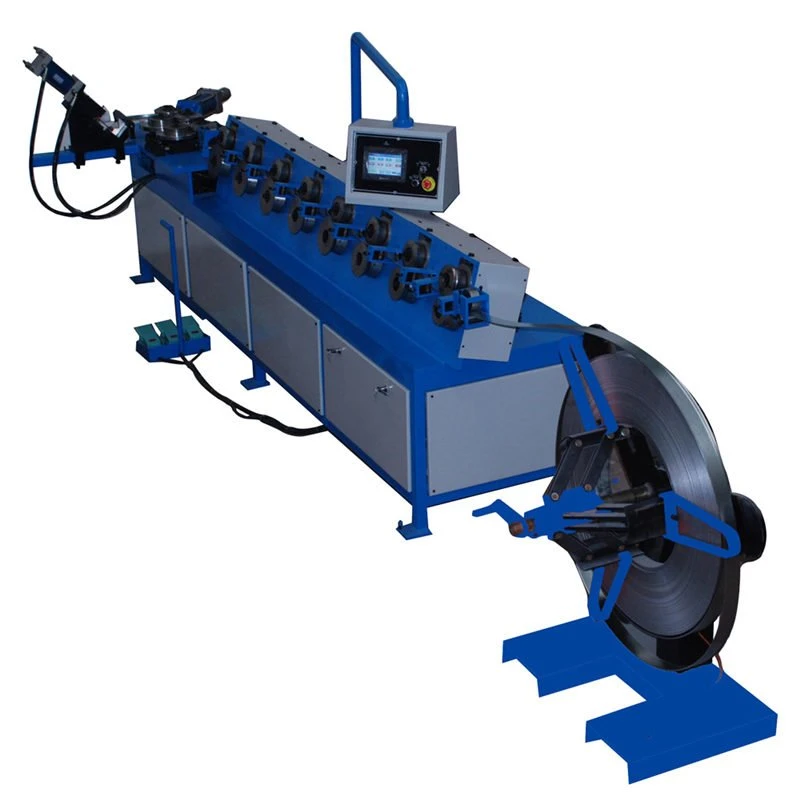

Direct Diode Lasers
Venturing into the realm of Direct Diode Lasers, we find devices known for their exceptional efficiency. They stand out among the main types of lasers as they use diodes directly to produce the desired wavelength. For those diving deep into laser cutting processes, Direct Diode Lasers offer a combination of speed and compactness.
Nd:YAG/Nd:YVO Lasers
Among the main types of lasers, Nd:YAG (Neodymium doped Yttrium Aluminum Garnet) and Nd:YVO (Neodymium doped Yttrium Ortho Vanadate) lasers, often called crystal laser cutters, stand out. As one delves into the nuances of laser cutting technology, it becomes evident that these solid-state lasers have carved a niche for themselves in various industries, thanks to their versatility and power.
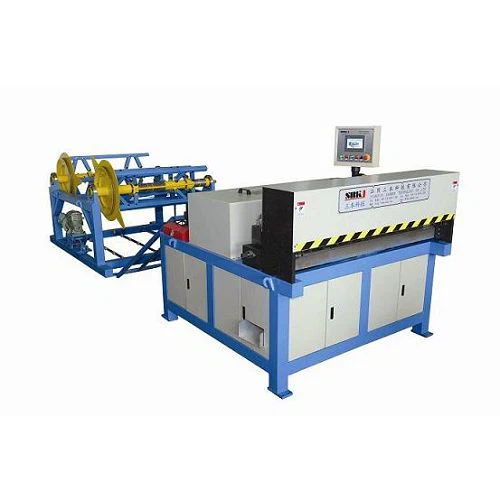
Components of Cutting Machine
Machine bed part
The machine bed of the laser cutting machine, the mechanical part that realizes the movement of the X, Y, and Z axes, including the cutting work platform. It is used to place the workpiece to be cut, and can move correctly and accurately according to the control program, usually driven by a servo motor.
Laser generator
A device that generates a laser light source. For laser cutting applications, except for a few occasions where YAG solid-state lasers are used, most of them use CO2 gas lasers or fiber lasers with high electro-optical conversion efficiency and high output power. Because laser cutting requires high beam quality, not all lasers can be used for cutting. Gaussian mode is suitable for less than 1500W, low-order mode carbon dioxide laser 100W-3000W, and multi-mode above 3000W.
External optical path
Refraction mirror, used to guide the laser in the required direction. In order to prevent failure of the beam path, all mirrors should be protected by protective covers, and clean positive pressure protective gas should be introduced to protect the mirrors from contamination. A well-performing set of lenses will focus a beam with no divergence angle into an infinitely small spot. A 5.0-inch focal length lens is generally used. 7.5" lenses are only available for materials with thickness more than 12mm.
Numerical control system
Control the machine bed to realize the movement of X, Y and Z axes, and also control the output power of the laser.
Regulated power supply
Connected between lasers, CNC machine tools and power supply systems. It mainly plays the role of preventing external grid interference.
Cutting head
It mainly includes parts such as cavity, focusing lens holder, focusing mirror, capacitive sensor and auxiliary gas nozzle. The cutting head driving device is used to drive the cutting head to move along the Z-axis according to the program, and is composed of a servo motor and transmission parts such as a screw rod or a gear.
What Are the Things To Consider in Choosing the Cutting Machine?

Material Compatibility
Determine the range of materials you will be working with most frequently. The absorption spectrum of the material must coincide with the selected laser type, for the bulk of jobs. This will help to avoid serious complications and slower processing at higher energy levels which will reduce the profitability and operation life of the equipment.

Work Area
Consider the size of the typical job or raw material piece you expect to cut. Choose a machine with a work area large enough to accommodate your expected jobs. Consider also the smaller jobs. These may drive you to choose two machines, to efficiently cover the required range.

Maintenance and Reliability
Assess the implicit maintenance requirements and reliability of the prospective machines. Solid-state lasers (fiber and direct diode) have fewer “user serviceable” parts and more up-time than, for example, CO2 lasers.
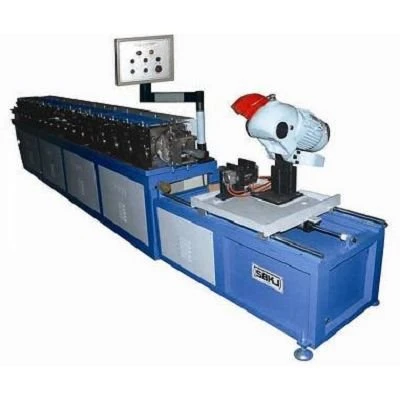
Precision/Beam Quality
If your expected workload requires high precision and intricate details to be cut, pay close attention to the beam quality of the prospective machines you consider. Fiber lasers generally offer better beam quality compared to CO2 lasers, resulting in finer cuts and smoother engraving.

Speed/Throughput
Consider the production volumes and turnaround times you see yourself requiring. Fiber lasers are faster than CO2 lasers when cutting metals, which can be crucial for industrial-scale operations—but that increases the CAPEX demand.

Automation/Software
Evaluate machine features that enhance productivity and ease of use. Automation options and user-friendly software interfaces can significantly cut setup and operation times. Advanced nesting software can reduce overheads by optimizing material usage, without the high labor cost of job fitting.
Maintenance Tips for Cutting Machine
Update Large Machinery Operator Training
Operators should be well-versed in operating metal-cutting machines. Among the important responsibilities of an operator is ensuring the proper inspection and operation of the equipment.Machine operators should undergo proper training. However, training should be constantly updated to keep up with the latest technology. As workers come and go, their skills will eventually fade, which results in poor operation.
Revisions for a specific work situation can be made in operator manuals. Use shorter and simpler language to make the manual an easy reference.
Inspect Machine Lubrication Regularly
Check the lubrication level of frequently used machines on a weekly basis. Lubricants protect the moving parts by reducing friction. Regular lubrication maintenance benefits extended machine life. Without proper lubrication, the metal-cutting machine could potentially face premature wear and tear, which leads to extensive damage and costly repairs. Refer to the operator's manual and use the manufacturer-recommended lubricant.
Check Alignment Specification
Check your machine for any misaligned attachments or components to prevent fatal workplace accidents. Also, misalignment of attachments can affect the quality work of your machine. To determine proper alignment, conduct a few test jobs and take note of the results. If the alignment is off, simply have a professional to realign the machine to maintain accurate specifications.
Ensure Cleanliness of the Machine
Cleanliness is essential in ensuring machine optimum performance and capacity. Make sure to clean the machine on a daily or weekly basis. Overlooking the cleanliness of the machine can result in frequent breakdown and costly repairs. Seals and filters should be clean and free of contamination. Inspect if seals are in good condition and change filters regularly to prevent oil mist from contaminating the indoor air.
Check for Signs of Wear
Various factors can contribute to the premature breakdown of the machine. Machine vibration is simply the back and forth movement of the machine's components. Over time, this movement can loosen some parts and lead to misaligned gears and belts.Other signs of machine wear to look out for include mechanical shock (caused by poor operator technique and accident); high temperature (caused by overuse, friction, worn parts, and lack of lubrication); old age (e.g. warped belts, cracked and dry seals, loosened and stretched bolts)
Our Factory
SBKJ GROUP, a professional HVAC duct manufacturing machines supplier. Products mainly consist of auto duct production line, rectangular duct making machine and round/spiral duct forming machine. SBKJ's research and development is the cornerstone for our Automatic Tubeformers that produce a higher-quality duct with reduced production costs. SBKJ is established as the foremost and leading inovator in SPIRAL DUCT manufacturing with development is the cornerstone for our Automatic Tubeformers that produce a higher-quality duct with reduced production costs. SBKJ is established as the foremost and leading inovator in SPIRAL DUCT manufacturing with several patented inventions, such as the Flying Slitter and Flying crimper. Besides, OEM service is available.


certificate
FAQ
Q: What Is A Laser Cutting Machine?
Q: How to choose a cutting machine?
Q: Which Type of Laser Cutter Is Mostly Used in Engraving Industry?
Q: Which Type of Laser Cutter Is Mostly Used in Garment Industry?
Q: Which Type of Laser Is Used in Manufacturing Industry?
Q: What is the most popular laser-cutting type?
Q: What is the most universal laser-cutting type?
Q: Which type of laser cutter requires the least maintenance?
Q: What are the safety hazards of cutting machines?
Q: What are the safety equipment in cutting machine?
Q: Why is it important to maintain tools properly?
Q: What are the components of laser cutting system?
Q: What are the components of laser engraving?
Q: How do I choose the right cutting machine?
Q: What can I cut with a cutting machine?
Q: What is the basic of laser cutting machine?
Q: What are the main features of a laser cutter?
Q: Which type of cutting machine is best?
Q: What are the names of cutting machines?
Q: Where is laser cutting machine used?
We're well-known as one of the leading cutting machine manufacturers and suppliers in China, featured by quality products and competitive price. Please feel free to buy customized cutting machine made in China here from our factory.
spiral hole punch machine, heavy duty cutting machine, warranty for cutting machines